We are ready to help you
Intel LGA 1200 Socket: Chipsets, CPU Compatibility, and Whether It Is Worth Buying
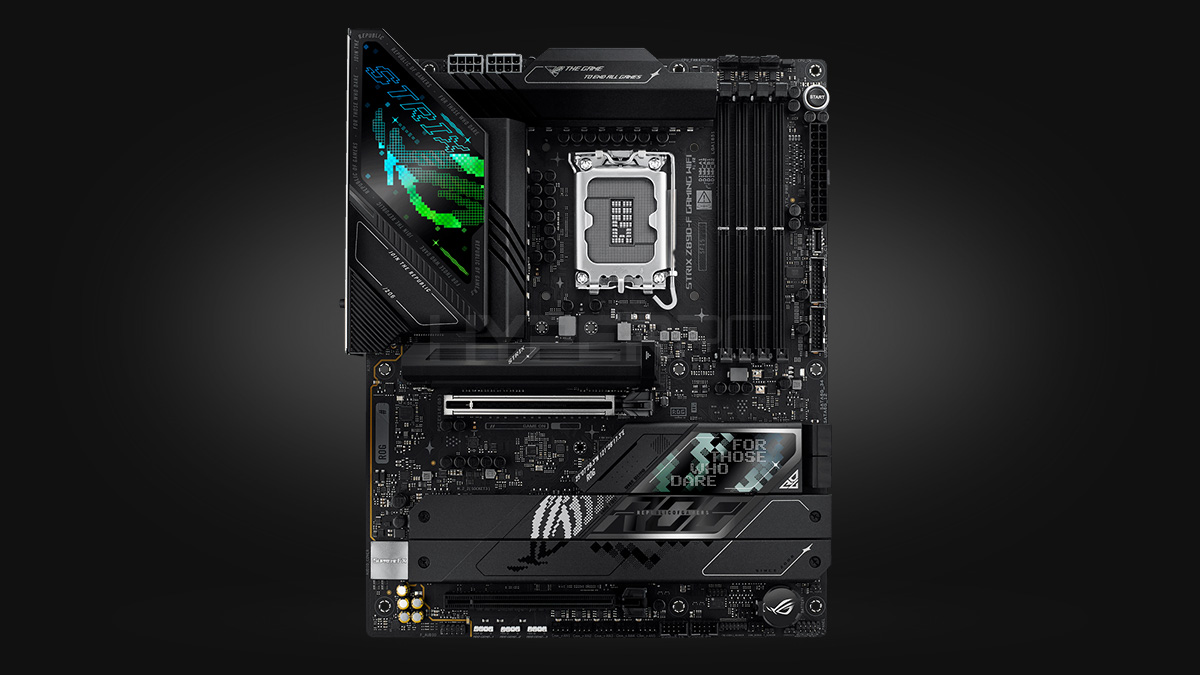
In 2026, the Intel LGA 1200 platform has fully become a popular foundation for affordable second-hand systems. For users looking for a balance between cost and performance, this socket remains a reliable mid-range option. Unlike modern DDR5-based platforms, the LGA 1200 architecture lets you build a PC with affordable DDR4 memory, reducing overall costs. However, when buying used components, financial safety is important: the platform has no upgrade path, and second-hand parts require careful diagnostics for hidden defects.
Architecture Features and CPU Generations for Socket 1200
10th Generation Comet Lake
The Comet Lake family debuted with the LGA 1200 socket. These processors brought Hyper-Threading to every lineup, including Core i3. The flagship Core i9-10900K received 10 cores and 20 threads, resulting in high heat output under load. Comet Lake performs well in games, but it requires proper cooling for the motherboard VRM area and is limited to the PCIe 3.0 interface.
11th Generation Rocket Lake
Rocket Lake became the final stage in the evolution of Intel’s 14 nm process. Its main innovations were AVX-512 instructions, the Cypress Cove architecture with up to a 19% IPC increase, and PCIe 4.0 support with 20 CPU lanes: 16 for the graphics card and 4 for the SSD. The Rocket Lake family is demanding on motherboard VRM quality and BIOS updates.
Intel Chipset Lineup for LGA 1200: from H410 to Z590
Entry-Level H410 and H510 Hubs
These chipsets are the basis for budget builds. H410/H510 motherboards have strict limitations: modest power stages, no VRM heatsinks, and no RAM overclocking. Memory frequency is tied directly to the processor: up to 3200 MHz on H510 with 11th-generation CPUs, and up to 2666/2933 MHz with 10th-generation CPUs. The H410 chipset does not support 11th-generation processors at the hardware level because of the older 22 nm PCH process.
Mid-Range B460 and B560
B460 is a classic chipset without memory overclocking, limited to 2666/2933 MHz, and without 11th-generation support. B560 became an icon of the platform thanks to Rocket Lake compatibility and unlocked memory overclocking through XMP, which improves minimum FPS in games through higher RAM frequencies of 3600 MHz and above.
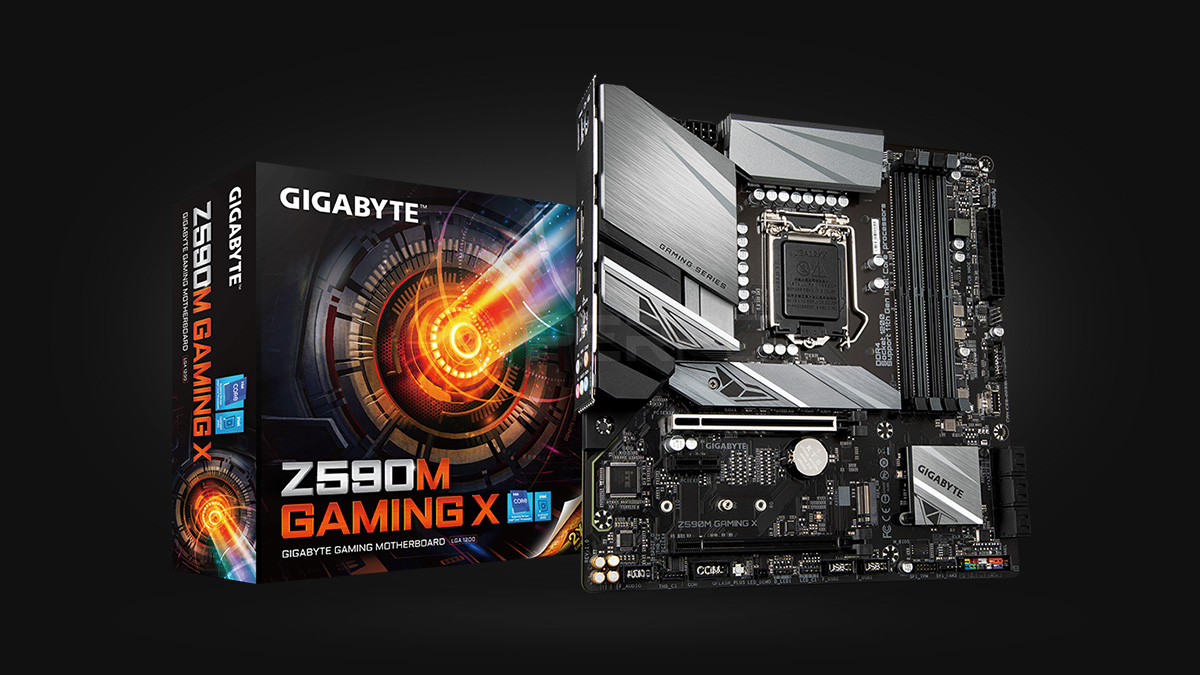
Flagship Z490 and Z590
Z490 and Z590 allow multiplier overclocking for “K”-series processors. Users get robust power delivery, additional M.2 slots, and RAID arrays. The Z590 and Z490 chipsets support PCIe 4.0 when a Rocket Lake CPU is installed, but on Z490, PCIe 4.0 support for M.2 depends on the layout of the specific motherboard.
| Specification | H410 / H510 | B460 / B560 | Z490 / Z590 |
|---|---|---|---|
| CPU overclocking | No | No | Yes |
| RAM overclocking | No | B560 — Yes | Yes |
| PCIe 4.0 | H510 — Yes | B560 — Yes | Yes |
| VRM heatsinks | Rarely | Often | Always |
| 11th Gen support | H510 — Yes / H410 — No | B560 — Yes / B460 — No | Yes |
Component Compatibility and Platform Pitfalls
The M.2 NVMe Slot Disable Issue
When 10th-generation processors are installed in 500-series motherboards such as B560 or Z590, the first M.2 slot connected directly to the CPU is disabled because Comet Lake lacks the required 4 PCIe 4.0 lanes. The slot works only on motherboards with hardware multiplexers, such as MSI Mortar/Bazooka or ASRock Steel Legend, which switch it to the chipset in PCIe 3.0 x4 mode.
PCIe 4.0 Lanes
PCIe 4.0 works only with an 11th-generation processor and a compatible motherboard: a 500-series board or a Z490 model with an updated BIOS. Installing a 10th-generation processor switches all lanes to PCIe 3.0 mode, reducing the peak speed of fast SSDs but not critically affecting graphics cards.
Whether Buying or Upgrading to LGA 1200 Makes Sense in 2026
Comparison with Competitors
Buying LGA 1200 in 2026 is justified only under a strict budget shortage. It is cheaper than new LGA 1700 or AM5 builds, but it has no meaningful upgrade path: the 11th generation is the platform’s technical dead end. Before buying used parts, compare prices with new budget solutions, such as Core i5-12400F on LGA 1700 with DDR4, because the cost-per-frame difference may be minimal.
Optimal Gaming Combos
A popular used-market choice remains the combination of a Core i5-11400F processor, with an average used price of about $74, and a B560 motherboard. This system fully supports PCIe 4.0 and RAM overclocking, successfully competing with new budget gaming builds.
Conclusion
In 2026, the LGA 1200 platform is a cost-saving choice. When buying used components, always inspect the motherboard socket because LGA 1200 pins are extremely easy to bend and that voids the motherboard warranty. Check the VRM circuitry for signs of overheating and run load stress tests, as the components may have spent a long time in mining systems. Remember that 11th-generation processors are the absolute limit for this socket.
Choosing Prebuilt Systems: Options from HYPERPC
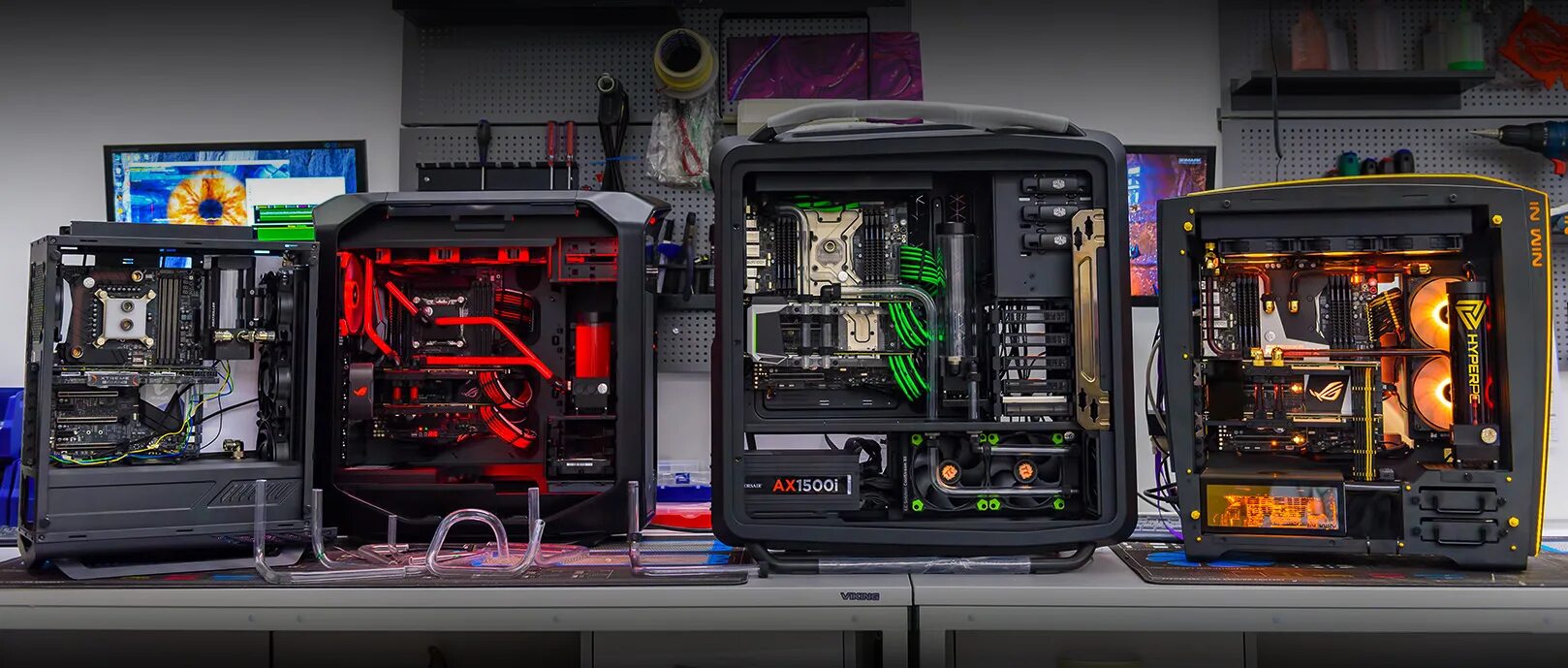
The company HYPERPC offers balanced gaming solutions. Below are models equipped with capable motherboards that provide stable operation even under high loads.
- PLAY 2 — a configuration with the MSI B850 GAMING PLUS motherboard, which is well suited for the AMD Ryzen 5 7500F processor and delivers stable gaming at ultra settings.
- PLAY 4 PLUS — a balanced system based on the MSI B760 GAMING PLUS motherboard. It is a reliable solution for gaming tasks and ensures excellent performance from the Intel Core i5-14400F processor in any modern title.
- PLAY 3 MAX — the top choice in this lineup because it is equipped with the MSI MAG B760 TOMAHAWK motherboard. This board is known for its reinforced VRM power delivery with quality cooling, allowing the Intel Core i5-14600K(F) processor to run near its limits without overheating.
By choosing prebuilt solutions from HYPERPC, you get not only powerful hardware but also professional motherboard power tuning, which is critically important for the longevity of your gaming computer.

 Arabic
  English