We are ready to help
Escape from Tarkov: Patch 1.0.4.0 - PvE, Loot, Optimization
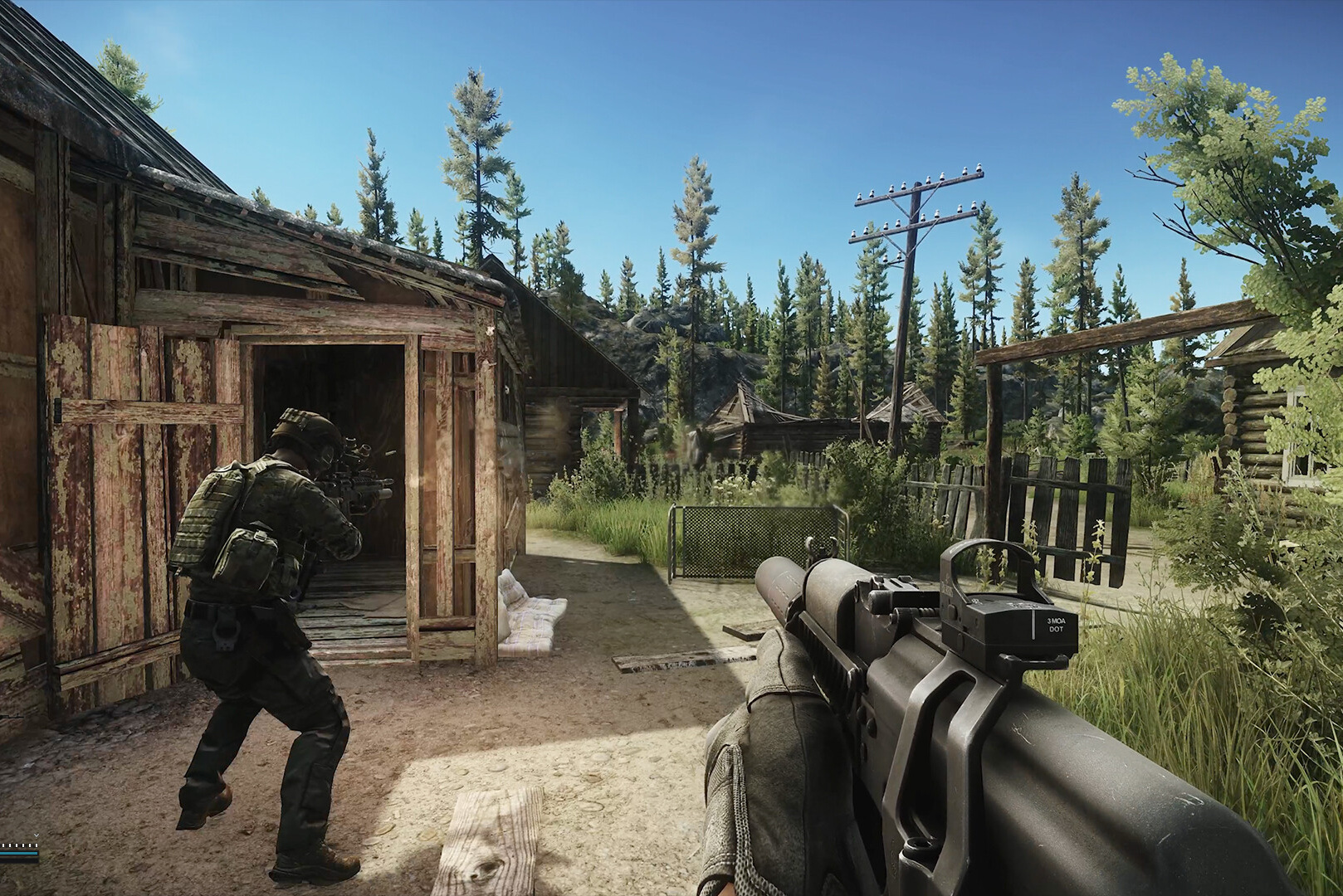
Patch 1.0.4.0 for Escape from Tarkov arrived on 27 March 2026 and became one of the most noticeable updates since the game's 1.0 release. Its main themes are client performance, a more convenient PvE mode, better loot at valuable spots, and a clear simplification of quests players had complained about for years.
Below are the key changes by group, what they mean in practice, and what hardware Tarkov needs after the optimization.
Patch highlights
| Area | Key change |
|---|---|
| Optimization | A new player-culling system on Customs, Interchange and Reserve, plus faster menus and raid loading |
| PvE | Solo Scav play in PvE on the local client, and fixes for lost items and achievements |
| Loot | More and better loot in locked and marked rooms, fuel more often at gas stations |
| Quests | Simpler PMC operational tasks and fewer requirements in story chapters |
| Balance | 20 percent more Raiders in The Lab, plus armor and medical changes |
Optimization and performance
The section many players had been waiting for.
- Client performance improvements on every location. Battlestate Games shipped a series of optimizations that touch every map.
- An updated player-culling system on Customs, Interchange and Reserve. Culling decides which players and objects the client does not need to process at a given moment, and it directly affects CPU load.
- Faster main menu and dialogues. The interface outside a raid is more responsive.
- Shorter online-raid loading times.
For players this mainly means less processor load on three popular maps. Tarkov has historically been one of the most CPU-bound games, and player culling helps most when many opponents are nearby.
PvE zone
- Solo Scav play in the PvE zone on the local client. The main PvE change: Scav matchmaking no longer requires waiting for a group.
- PvE achievements are awarded correctly. Previously players did not receive achievements after meeting every condition.
- PMC bots attack the player's Scavs the way they should; their behavior was fixed.
- Lost items from backpacks were fixed in certain PvE scenarios.
Loot and spawns
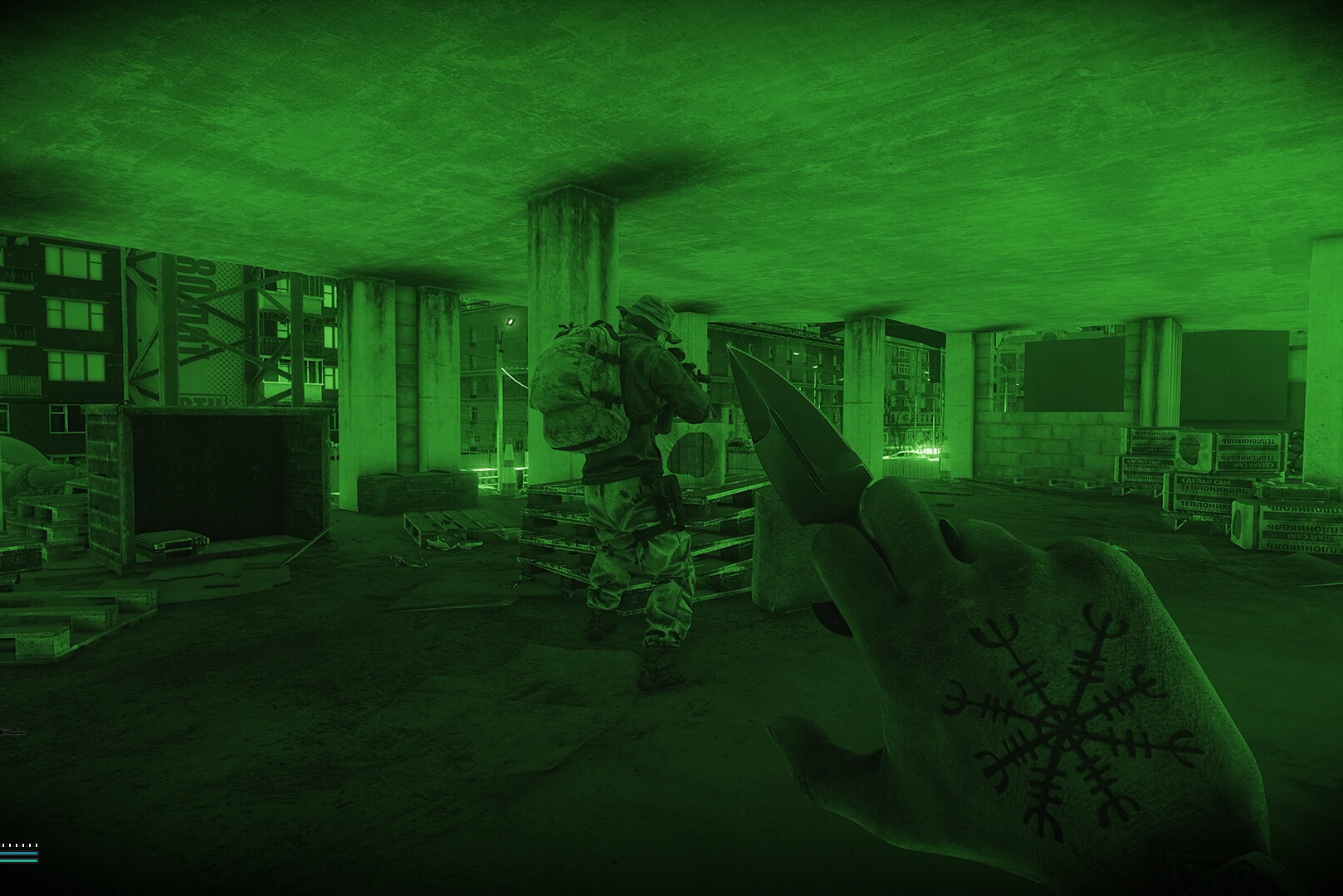
- More and better loot in locked and marked rooms. These are the most valuable spots on the maps, and a higher return makes their keys even more sought after.
- A higher chance of fuel at gas stations on Customs, Lighthouse and Shoreline.
- Figurines and posters from the Twitch Drops event now appear on locations naturally.
Quests
The section with the biggest effect on progression: many quests became easier.
- PMC operational tasks were simplified: more experience as a reward and fewer requirements.
- Co-op extract objectives were removed from PMC and Scav operational tasks.
- In the story chapter They Are Already Here the required Priest kills were reduced to one.
- Trader response wait times were cut by 40 percent across five story chapters.
- In the Tour chapter alternative objectives were added so locations are easier to unlock.
- The number of hideout crafts required for story progress was cut by 40 percent.
- Completion zones were expanded for 18 elimination tasks.
Together these changes clearly speed up the story, especially for new players and for anyone who plays a few hours a week.
Gameplay and balance
- The number of Raiders in The Lab rose by 20 percent. The Lab became more dangerous.
- Healing priority was changed on multi-purpose medkits after bleeding is stopped.
- Magazine drop sounds were added when reloading and when throwing a magazine.
- The arming distance of 40 mm VOG-25 rounds was reduced to 10 meters.
- Armor balance: protection zones and prices were changed.
Fixes also cover culling, shadow and texture errors, water visibility, cancelled healing, damage registration after a weapon malfunction, paying for a vehicle extract, buying gear presets, and tracking dialogues and achievements.
What hardware Tarkov needs in 2026
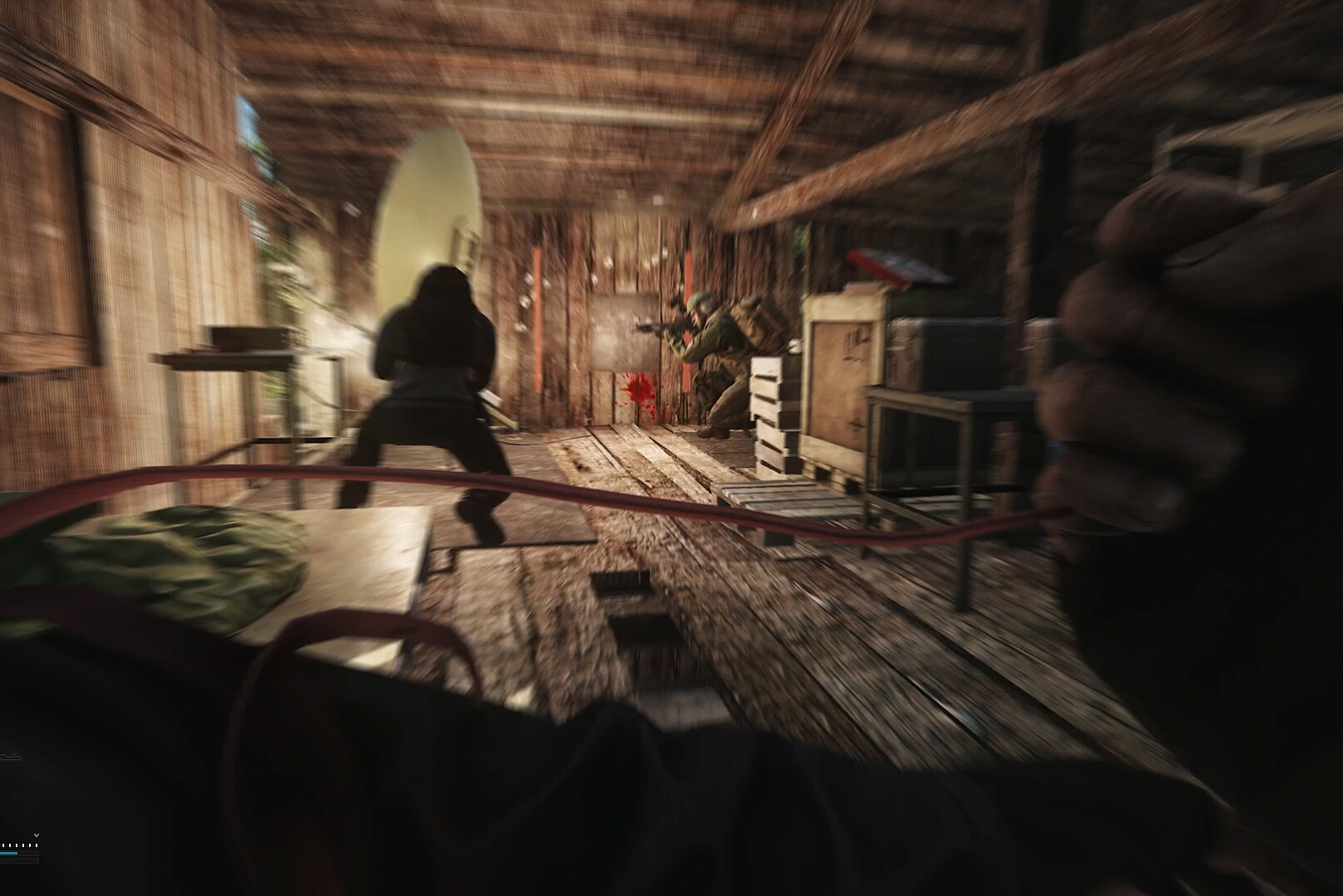
Even after the optimization, Tarkov remains a game that loads the processor and system memory first. That is especially clear on large, dense maps such as Streets of Tarkov.
- The processor is the main component. Single-core performance and a large cache matter. CPUs with 3D cache traditionally give Tarkov the biggest gain in minimum FPS, for example the Ryzen 7 9800X3D.
- System memory: 32 GB. With 16 GB, heavy maps start streaming and stuttering, especially with a browser and Discord in the background. Dual channel matters.
- The graphics card follows the resolution. For 1440p, a card around the RTX 4070 or RTX 5070 is enough. Beyond that a graphics card helps little if the limit is the processor.
- An NVMe drive. It speeds up raid loading and asset streaming.
If GPU usage is low during a raid while FPS drops, the limit is the processor, and a new graphics card will not help. How to tell whether a CPU replacement pays off is covered in upgrade or a new computer. Ready configurations are in the gaming PC catalog.
Recommended
Frequently Asked Questions We prepared the answers.
- When did Escape from Tarkov patch 1.0.4.0 release?
On 27 March 2026. Fixes in the 1.0.4.x series followed it, so the current client version should be checked in the official Battlestate Games news.
- What changed in PvE in patch 1.0.4.0?
Solo Scav play arrived in the PvE zone on the local client without waiting for matchmaking, achievement grants and lost backpack items were fixed, and PMC bots now attack the player's Scavs correctly.
- How did patch 1.0.4.0 change loot?
The amount and quality of loot rose in locked and marked rooms, fuel is more likely at gas stations on Customs, Lighthouse and Shoreline, and Twitch Drops figurines and posters now appear on locations.
- Which quests were simplified in patch 1.0.4.0?
PMC operational tasks now give more experience and ask for less, co-op extract objectives were removed, They Are Already Here needs only one Priest kill, trader response times in five chapters were cut by 40 percent, and the completion zones of 18 elimination tasks were expanded.
- Did Tarkov performance improve after patch 1.0.4.0?
Yes. Client optimizations were added on every location, the player-culling system was updated on Customs, Interchange and Reserve, and menus and raid loading are faster. Culling directly reduces processor load.
- What changed in The Lab?
The number of Raiders increased by 20 percent, so The Lab became more dangerous.
- Which processor does Escape from Tarkov need?
One with strong single-core performance and a large cache. CPUs with 3D cache, such as the Ryzen 7 9800X3D, traditionally give Tarkov the biggest gain in minimum FPS.
- How much memory does Tarkov need?
32 GB in dual channel. With 16 GB, heavy maps such as Streets of Tarkov start streaming and stuttering, especially with a browser and Discord in the background.
- Why is FPS low in Tarkov when the graphics card is barely loaded?
Because the game is limited by the processor. In that situation lowering graphics settings helps little, and a new graphics card gives almost nothing. A stronger CPU, fast dual-channel memory and closing background programs do help.
- Can I now play as a Scav in PvE without waiting?
Yes. Patch 1.0.4.0 added solo Scav play in the PvE zone on the local client, which removed the wait for raid matchmaking.

 Arabic
 English