We are ready to help you
Chinese HEDT: Is the LGA 2011 v3 Socket and X99 Motherboards Still Relevant in 2026?
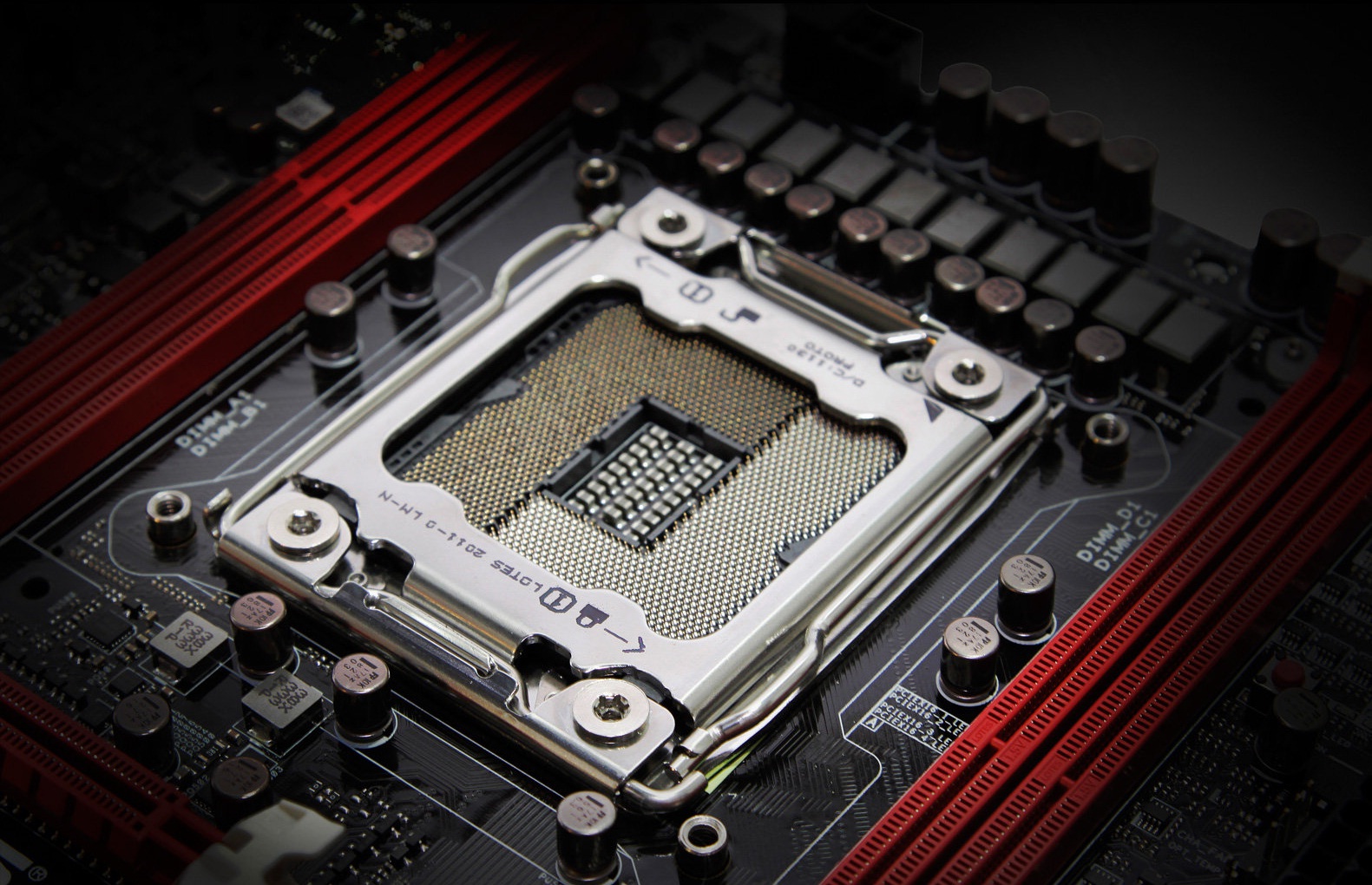
In 2014, the LGA 2011-3 socket and the X99 chipset were reserved for well-funded enthusiasts: the flagship ASUS X99-Deluxe cost $400, while the Core i7-5960X was twice as expensive. Today, the same platform is available for just a few hundred AED in Chinese-made form. We examine what is behind it — a bargain or a trap.
When searching for budget components on the used market, it is important to consider financial safety: buying outdated and worn hardware involves risks, while self-assembly and BIOS modification require strict electrical safety precautions for the entire system.
Intel Server and HEDT Segments: LGA 2011-3 Platform Specifics
Socket Versions: Avoid This Mistake
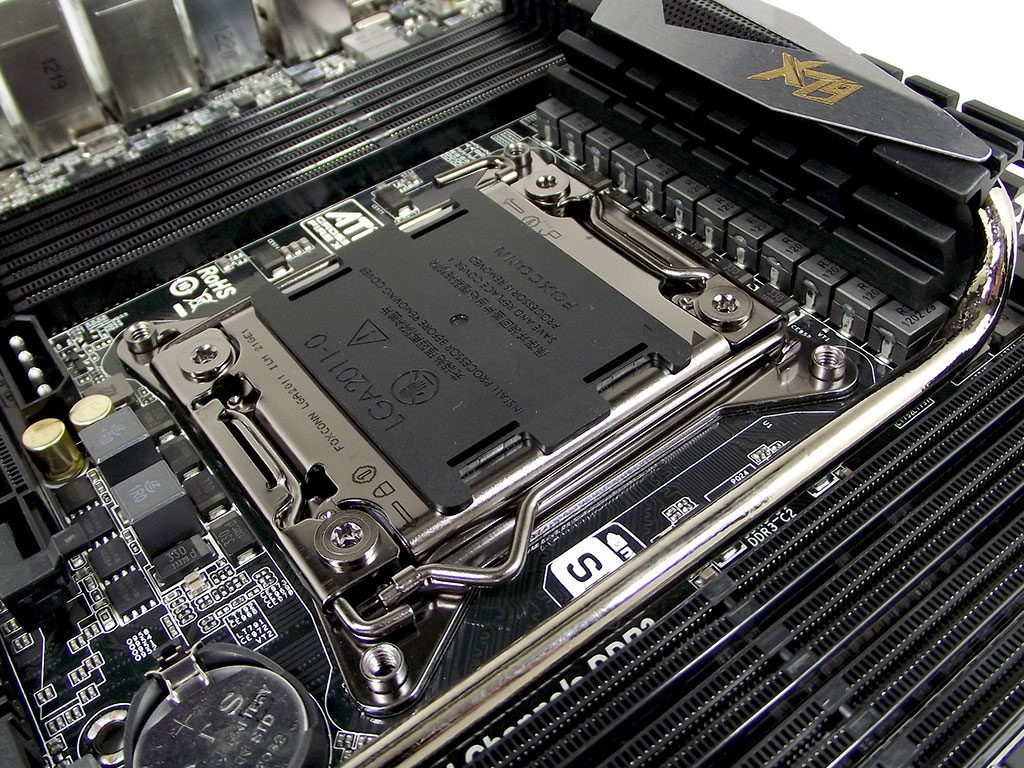
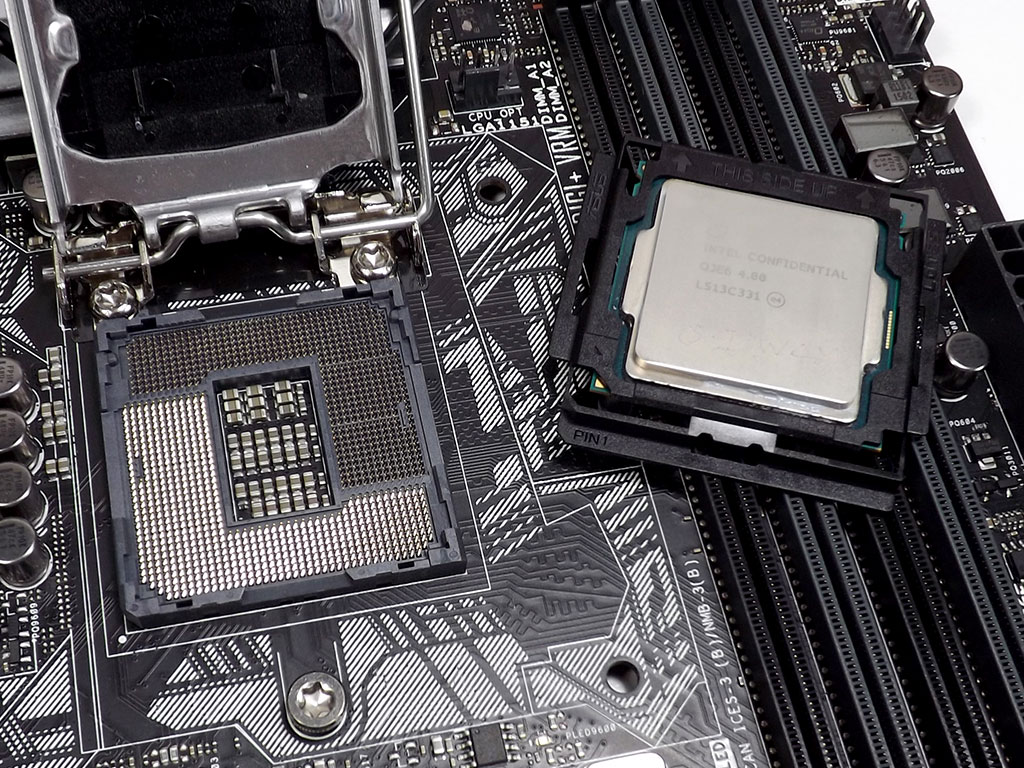
The LGA 2011 first generation (v1/v2) works with the Intel X79 chipset and DDR3 memory. The LGA 2011-3 (v3/v4) is a physically different connector with different key positions, the X99 chipset and DDR4. First-generation processors are physically incompatible with LGA 2011-3. Confusing them is one of the most common mistakes when buying used hardware. Check the marking: “LGA 2011” without “-3” must be clarified with the seller. When buying second-hand, always inspect the socket under a magnifying glass to rule out bent or burnt contacts.
Architecture’s Key Strengths
The X99 platform offers something many modern desktop solutions lack: quad-channel DDR4 with significantly higher bandwidth than dual-channel mode. Haswell-E and Broadwell-E processors provide 40 PCIe 3.0 lanes directly, enabling simultaneous connection of multiple NVMe drives and a graphics card without splitting bandwidth through the chipset. But remember: the interface is limited to PCIe 3.0, so new GPUs and Gen4/Gen5 SSDs will be forced to run at reduced speeds.
X99 Chipset and Its Implementation in Chinese Motherboards
What Is Actually Soldered on the Board
A large share of Chinese motherboards use not the original Intel X99, but used desktop H81, B85, or server C612 chipsets removed from disassembled branded servers and PCs. For example, the HUANANZHI X99 QD4 motherboard ships with randomly soldered Q87, H81, or B85 chipsets. The consequences are reduced SATA ports and instability.
The hybrid HUANANZHI X99 TF board on the C612 server hub carries 4 DDR4 slots and 4 DDR3 slots. Remember that DDR3 can be used only with special Xeon E5 v3 processors (for example, E5-2678 v3, E5-2666 v3, E5-2696 v3) that have a hybrid memory controller; newer Xeon E5 v4 chips (Broadwell-EP) physically lack DDR3 support and will boot only with DDR4. Using both memory types at the same time is not possible at the hardware level.
Registered DDR4 ECC REG Memory
Most Chinese X99 motherboards support server-grade DDR4 ECC REG. 16–32 GB modules are much cheaper than consumer alternatives, and ECC provides hardware error correction. However, because of the simplified circuitry of Chinese boards, DDR4 modules from different manufacturers often conflict and cause failures when installed together.
Pros and Cons of Chinese X99 Motherboards
Pitfalls of “Chinese” Boards
- BIOS Without Documentation — for stable operation and bug fixes, flashing a community-modified BIOS is required.
- Inaccurate Temperature Monitoring — readings of 120–127°C on HUANANZHI X99 QD4 board sensors are dummy values; real core temperatures must be monitored through HWiNFO64.
- Sleep Mode Bug on Huananzhi X99 TF — the board does not wake from USB devices. This circuitry defect is fixed by moving the JPWR1 jumpers (for front ports) and JPWR3 / JPWR4 (for rear ports under the white protective shroud) to the 1-2 position. This switches connector power to the PSU’s VSB standby rail.
- VRM With No Headroom — the CPU power delivery systems on these boards use simplified designs. With a 120–145 W CPU TDP, active airflow over the VRM heatsink area is mandatory. Without it, MOSFETs heat up above 100°C, leading to throttling, risk of PCB burn-through, and short circuits.
Platform Tuning: Unlock Turbo Boost and Undervolting
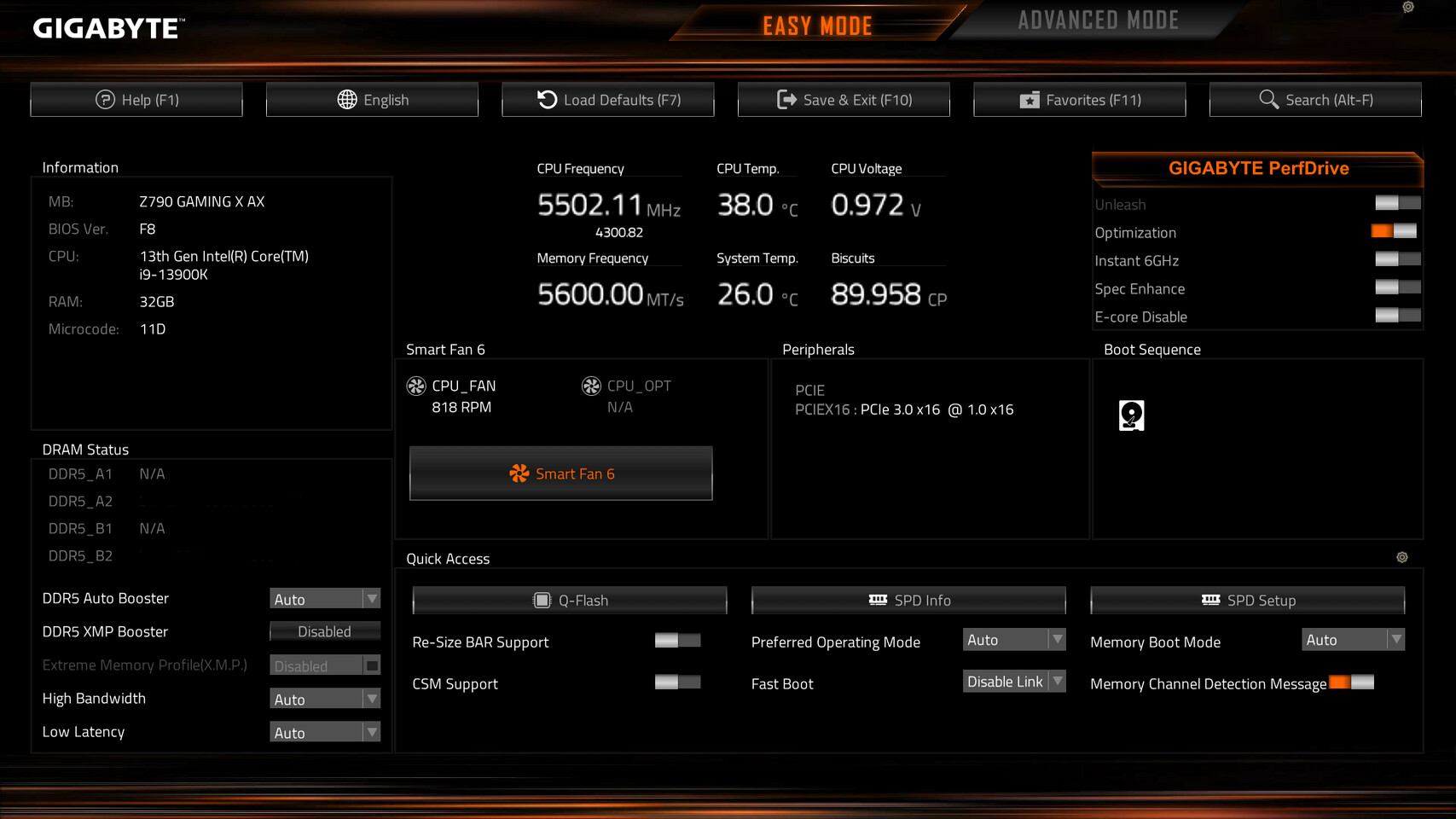
The multiplier on most server Xeon CPUs is locked. The TBU (Turbo Boost Unlock) feature in modified BIOS fixes the maximum Turbo frequency across all cores, adding 10–20% in multithreaded workloads. Important: Turbo Boost unlock is possible in hardware only on Xeon v3 processors (Haswell-EP).
In Xeon v4 processors (Broadwell-EP), Intel completely blocked this vulnerability at the silicon level, making TBU impossible. The required companion to unlocking on v3 is undervolting: lowering core voltage by 50–70 mV through the S3TurboTool driver built into the BIOS reduces temperatures to a safe 75–80°C range.
Relevance of an LGA 2011-3 Build in 2026
Gaming Performance
Modern AAA games require high single-thread performance — from 4.5 to 5.5 GHz, while Xeon v3/v4 chips, even after unlocking, run at only 3.3–3.5 GHz. In demanding titles, FPS drops and 1% Low stutters are inevitable.
Additionally, there is no official Windows 11 support (no native TPM 2.0 module), and Vanguard anti-cheat (Valorant and League of Legends) on Windows 11 completely blocks launch on outdated platforms without hardware TPM 2.0 and UEFI Secure Boot.
Workloads
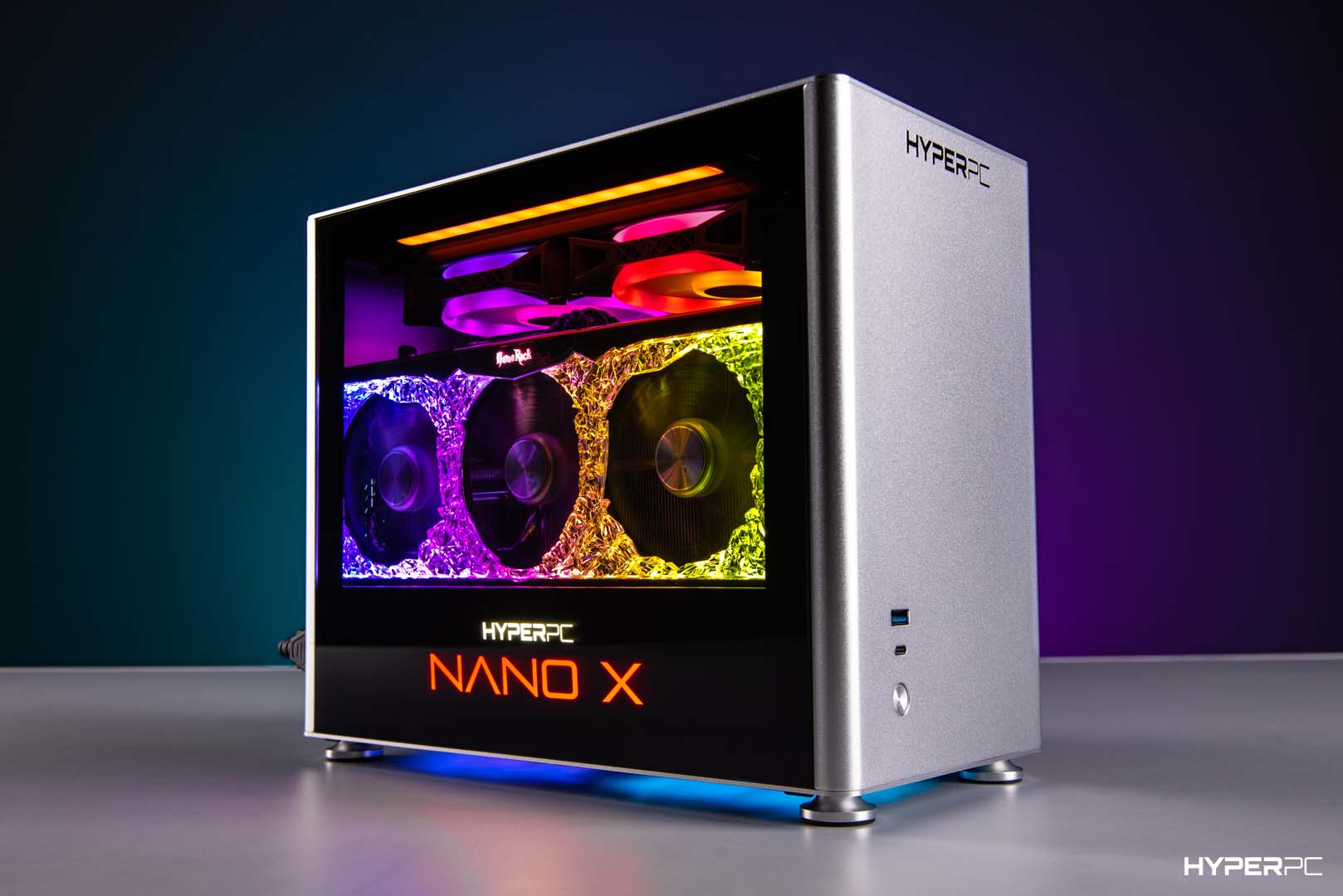
12–18 cores for a few hundred AED provide an unmatched threads-per-dirham ratio. Relevant uses in 2026:
- Rendering and 3D (Blender, V-Ray): multithreading is fully utilized, with results comparable to Ryzen 5 5600X–5700X at a much lower kit price.
- Virtualization (Proxmox, VMware): running 4–8 VMs simultaneously on inexpensive ECC REG memory.
- Home NAS/server: ECC DDR4 support is a reliable foundation for TrueNAS.
- Proxies, bots, parsers: 24/7 operation with minimal costs.
Conclusion
A Huananzhi / Machinist kit on X99 + Xeon v3/v4 is justified for a home server or rendering under a very tight budget — if the user is ready to flash the BIOS and actively cool the VRM. But the platform is a complete dead end. Building a modern gaming PC from scratch on it is irrational: new budget desktop platforms (LGA 1700 or AM5) cost roughly the same but offer far better performance, efficiency, and longevity.
If you need a powerful gaming system without the risk, HYPERPC offers balanced ready-made configurations based on the latest current platforms. For example, PLAY 2 PRO is a balanced system with an AMD Ryzen 5 9600X processor, MSI B850 GAMING PLUS motherboard, and Palit GeForce RTX 5060 Ti INFINITY 3 graphics card.

 Arabic
  English