We are ready to help
Group Regulation vs DC-DC: How to Choose a Reliable Power Supply and Avoid Bad Hardware
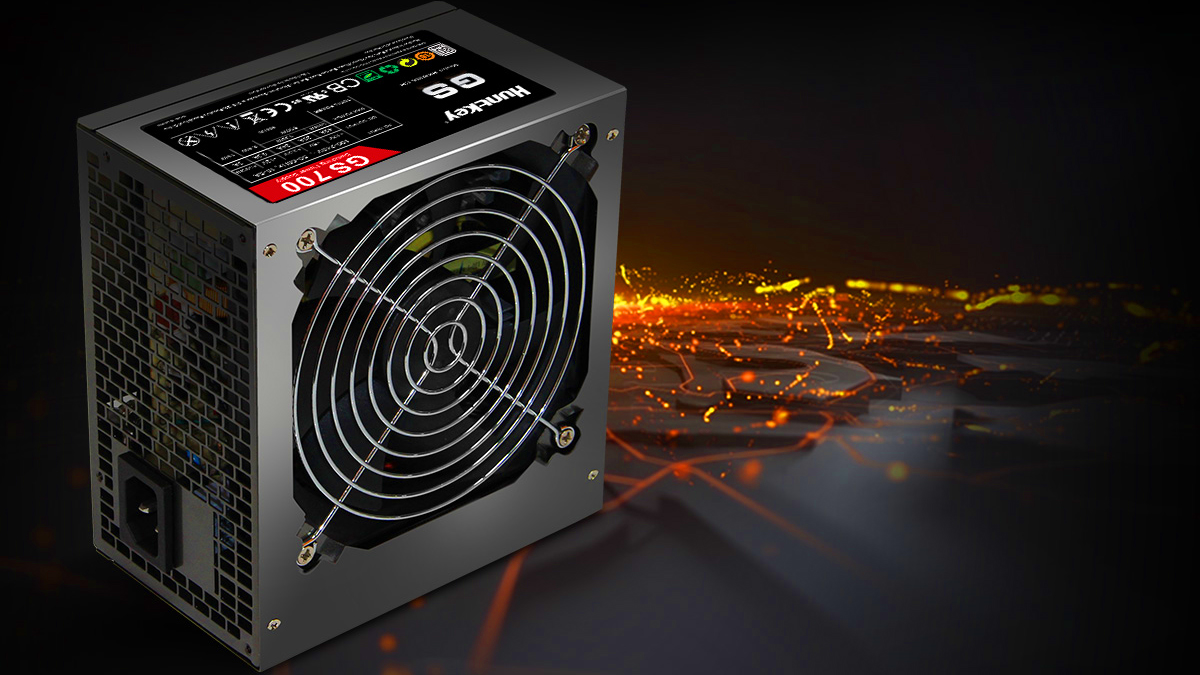
Two externally identical 600 W power supplies: one costs about AED 140, the other about AED 380. Both carry 80 PLUS and ATX labels. Why the difference? The answer is the circuitry. Its internal design determines how stable the computer will be under load and whether your SSD might fail after six months.
The dinosaur era: what group regulation is
In cheap power supplies, one shared group-regulation choke controls the 12 V and 5 V rails at the same time. The operating principle can be compared to scales: as long as the load on both rails is roughly equal, the system stays balanced. But as soon as the graphics card starts actively drawing power from the 12 V rail, a “seesaw effect” appears: 12 V sags while 5 V rises dangerously. This voltage imbalance is the main hidden threat to every connected device.
In computers from 2010–2015 with moderate 12 V consumption, group-regulated designs worked acceptably. In modern gaming builds with RTX graphics cards drawing 300–450 W exclusively from the 12 V rail, that circuitry is a lottery.
The modern standard: how DC-DC converters work
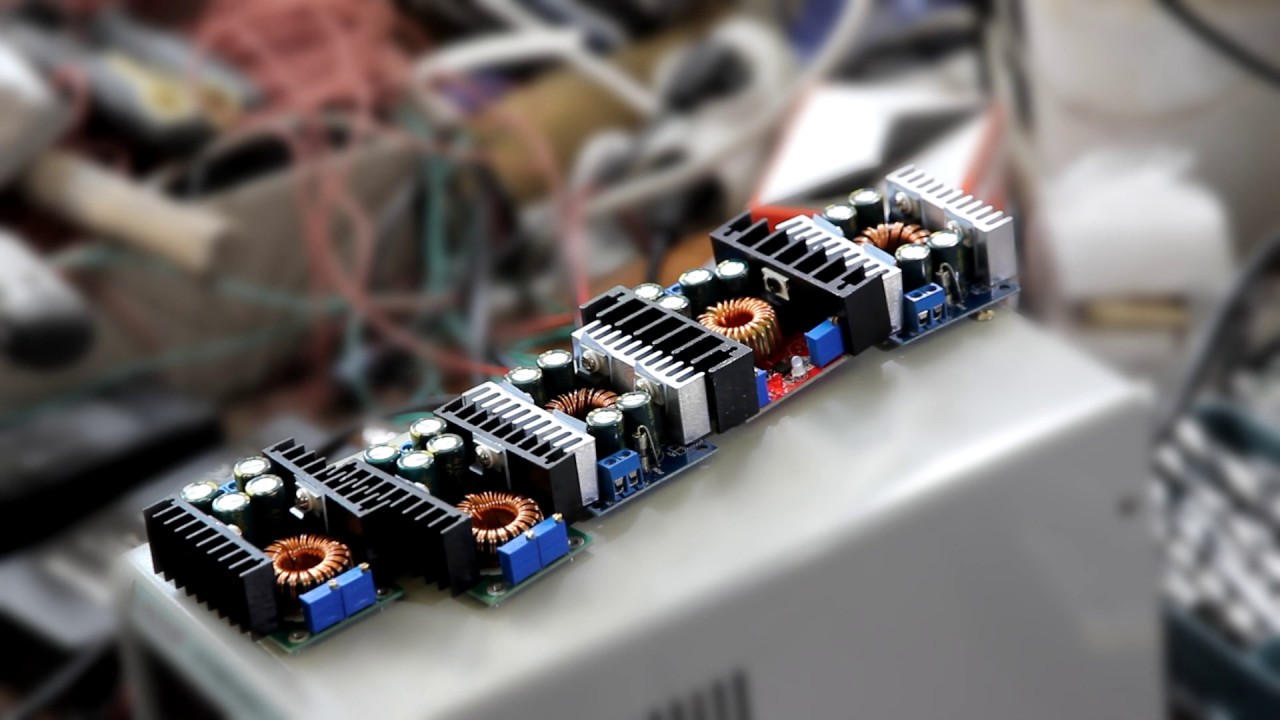
A quality PSU with DC-DC circuitry is built differently: the source produces only clean 12 V power, while the 5 V and 3.3 V rails are generated separately by independent daughterboards: DC-to-DC converters. Each converter works autonomously, so load on one rail does not affect voltage on another.
Independent regulation is not marketing; it is an engineering necessity. Manufacturers such as Seasonic, FSP, and CWT use DC-DC in all their good product lines because modern AM5 and LGA1851 platforms with RTX 50-series graphics cards create extremely uneven loads. Voltage characteristics remain within spec regardless of what happens on the other rails.
Why group regulation is a hidden threat in 2026
Voltage imbalance is not just a number on a multimeter. It is a real danger to components. NVMe SSDs in M.2 slots are powered from the 3.3 V rail, while SATA drives use the 5 V and 3.3 V rails. When voltage jumps above the norm, the drive controller can fail without warning, taking the data with it. HDDs react to voltage spikes even more sharply: they are often the first to die during a short circuit with a group-regulated design because their built-in surge-protection elements take the hit.
Sudden 12 V drops with group regulation cause unstable CPU and GPU operation: this is where BSODs and reboots in demanding games come from, even though users often blame “bad drivers.” Checking this dynamically with a multimeter is difficult; an oscilloscope is needed to see real ripple.
With a short circuit on the 5 V rail in a 750 W group-regulated PSU, protection may not trigger in time if the budget unit does not comply with ATX 2.01: according to the Intel standard, the SCP trip threshold is less than 0.1 ohm. The result is 750 W through half a meter of wire. A fire inside the system case is not unheard of.
The main battle: a clear technology comparison
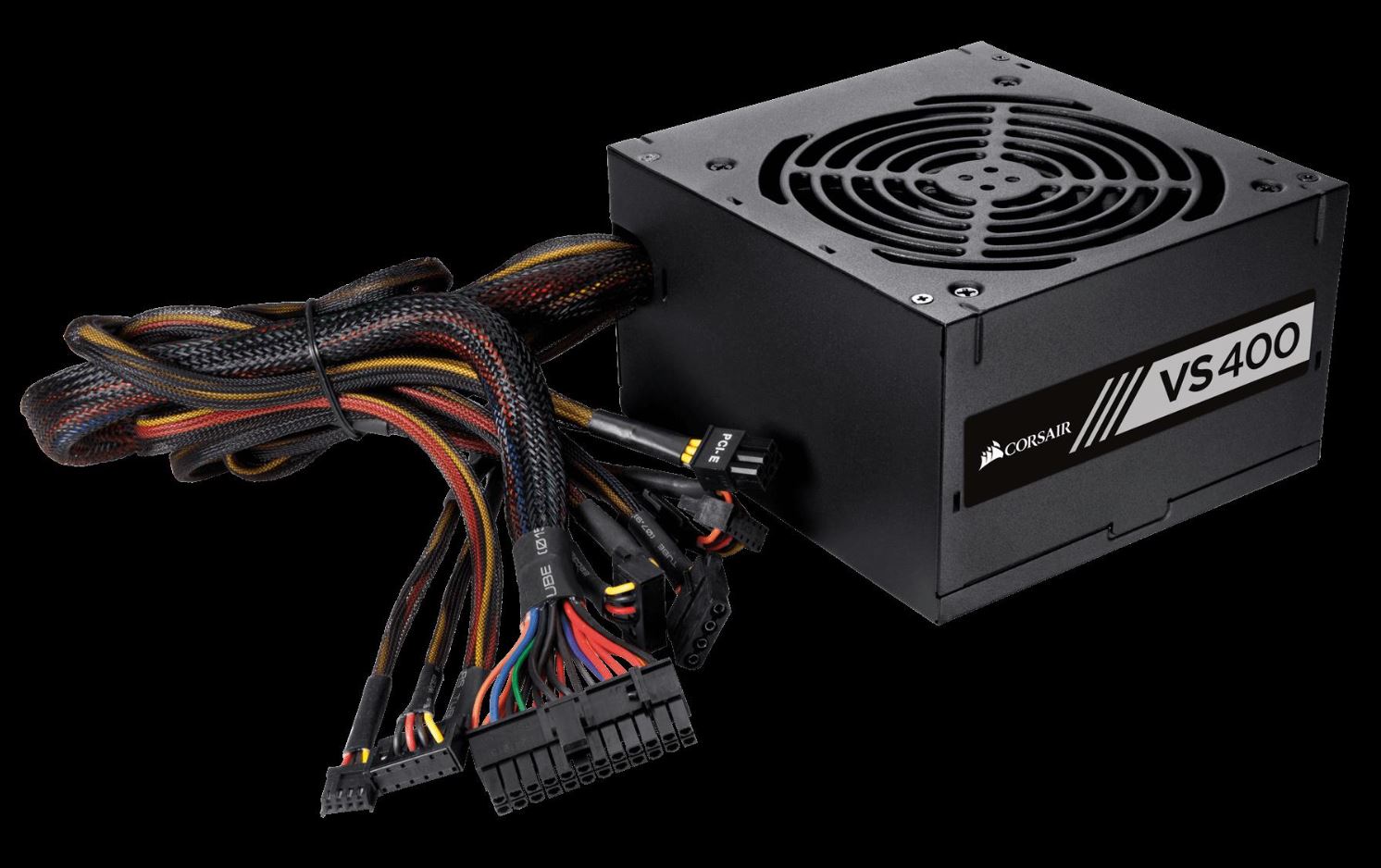
| Criterion | Group regulation | DC-DC converters |
|---|---|---|
| Voltage stability | Poor, depends on load imbalance | High, rails are independent |
| Behavior in demanding games | 12 V drops below spec | Stable 12 V |
| Safety for SSD/HDD | High risk during spikes | Safe |
| Single rail on 12 V | Impossible | Standard in quality PSUs |
| Price segment | Ultra-budget, poor quality | Mid-range and premium |
| Relevance in 2026 | Outdated | Required standard |
The advantage of DC-DC is especially visible in cross-load testing: in good power supplies, the voltage chart stays flat under any load combination; in group-regulated units, the curve “wanders.”
How to Spot a Bad PSU Without Opening It
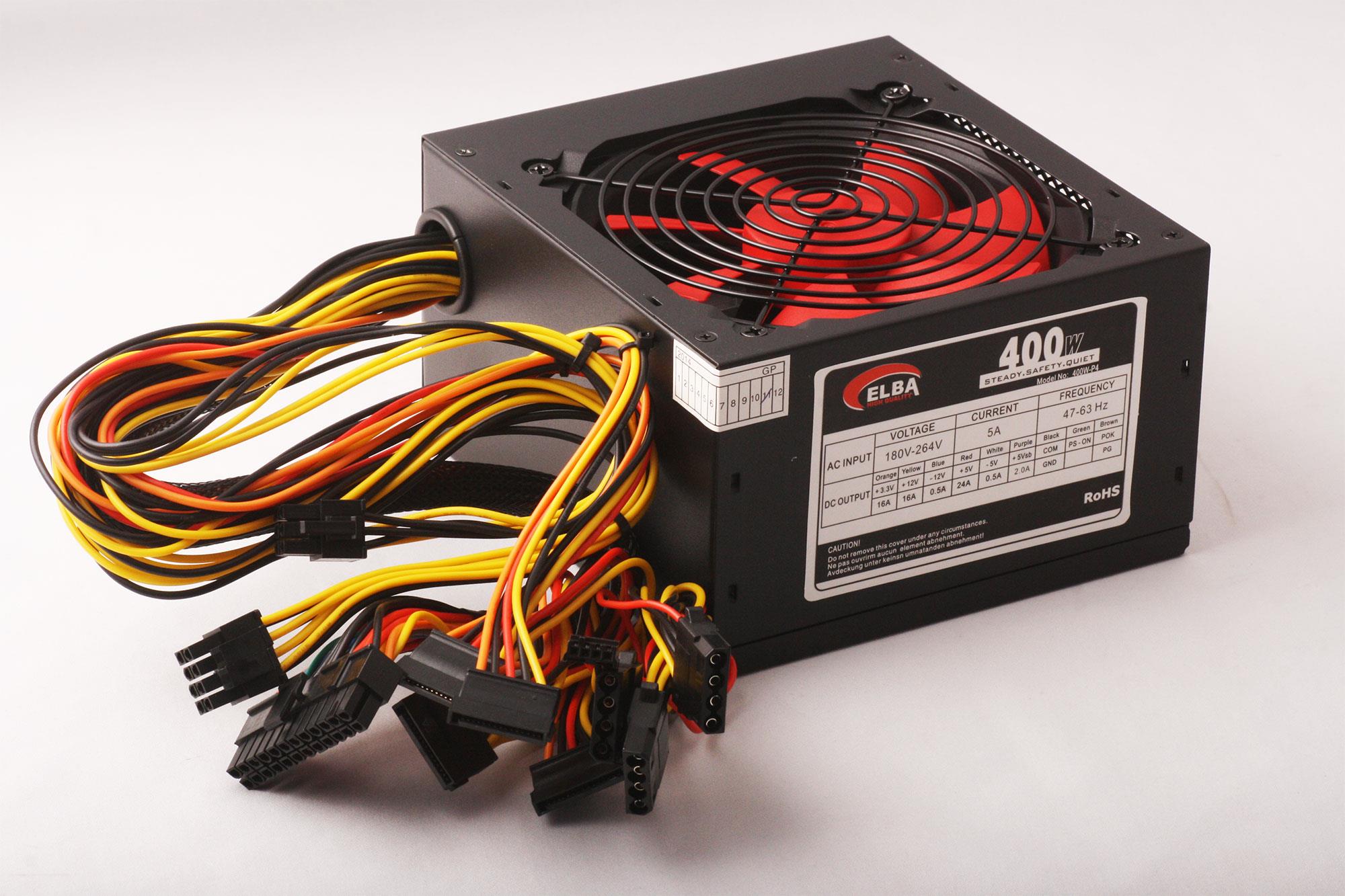
You can identify which circuitry is used in a power supply by reading the specification label, and it takes 30 seconds.
Step 1. Check the power on the +12 V rail. A quality 600 W PSU with a DC-DC design will provide 590–600 W on 12 V. If the label shows 480–500 W, that is a clear sign of group regulation: the remaining watts are “allocated” to the 5 V rail. This means you are looking at an inexpensive unit with outdated internals.
Step 2. Look for DC-DC markers. Specifications for good PSUs mention DC-to-DC, Synchronous Rectifier, or Independent regulation. If these words are missing and the price looks suspiciously low, there is most likely a shared group-regulation choke inside.
Step 3. Analyze reviews and cross-load charts. Cross-load characteristics immediately show how voltage sags under uneven load. An Aerocool Strike-X 800 with separate regulation showed only a 0.01 V drop on 12 V in testing against a Cougar CMX 700 with group regulation, which dropped by 0.12 V: the difference is fundamental.
Rule of thumb: if an ATX power supply is cheap, has no certification above 80 PLUS White, and weighs like an empty tin can, avoid it. 80 PLUS certification measures efficiency, not circuitry directly, but Gold and higher are an indirect sign of quality because cheap group-regulated PSUs rarely reach that efficiency. A reliable DC-DC PSU cannot be dirt cheap: independent converters are additional components, and they have a price. Magnum, KCAS, and other no-name brands with attractive labels are typical examples of low-quality units with a group-regulated design inside.
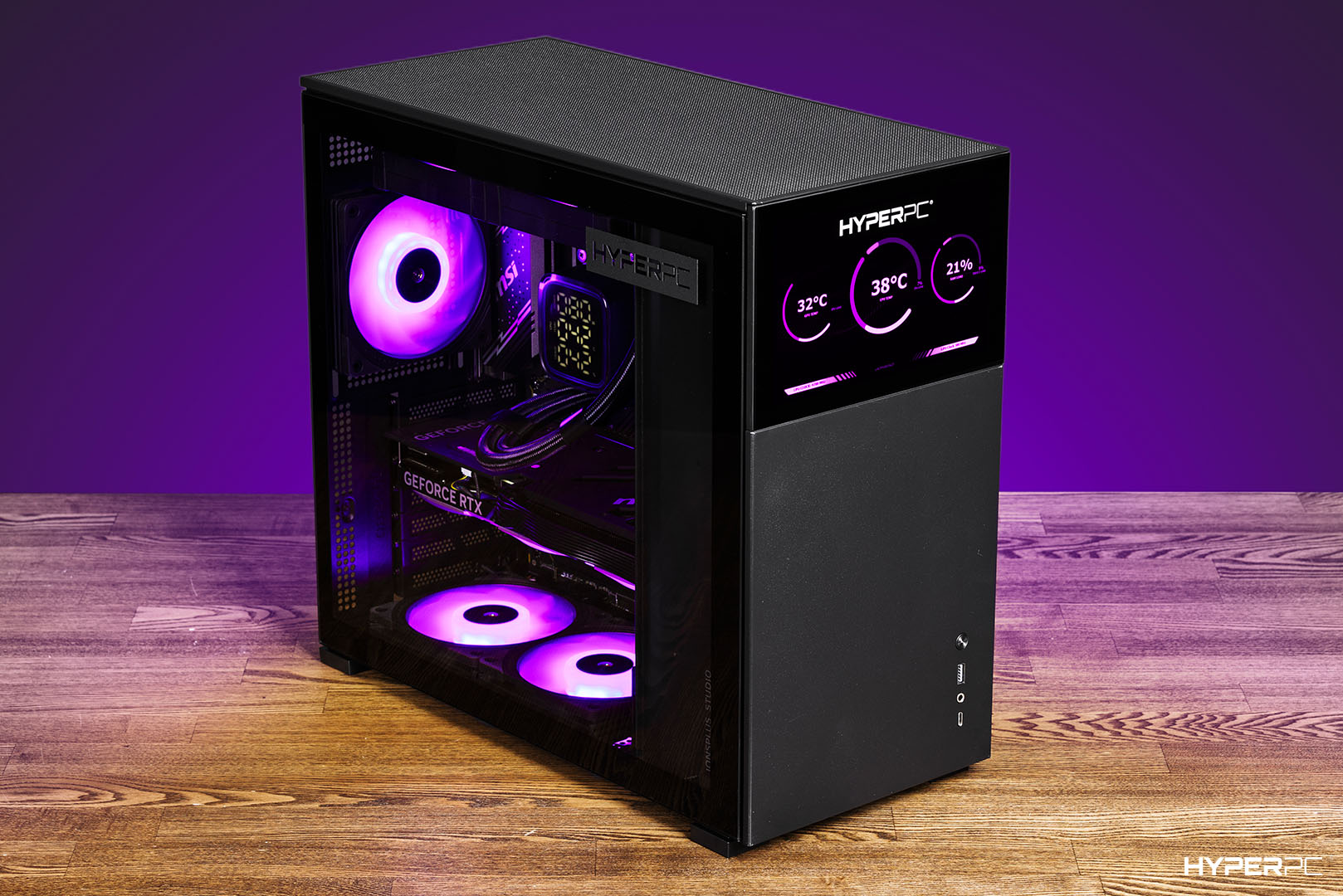
If you do not want to study specifications yourself, HYPERPC equips every PC only with tested power supplies from reliable manufacturers using DC-DC circuitry:
- PLAY: Gold-certified 650 W PSU, DC-DC
- PLAY 2: Gold-certified 750 W PSU, fully modular, for RTX 5070 Ti and powerful processors
- PLAY 3: Platinum 850 W PSU, DC-DC, single 12 V rail for RTX 5080
- LUMEN: Platinum/Titanium 1000+ W PSU, ideal for RTX 5090.
Every system is tested under full load before shipping, so normal voltage levels are guaranteed.
Conclusion: Where You Should Never Cut Corners
Group regulation still makes sense only in office computers without a discrete graphics card, where the load on the 12 V and 5 V rails is roughly equal. For any gaming PC, especially one with modern graphics cards, it is an outdated and dangerous standard.
Before buying a PSU, check this short list:
- Power on the 12 V rail is at least 95% of the PSU’s rated wattage
- DC-DC or Independent regulation is listed in the specifications
- 80 PLUS Gold certification or higher is an indirect sign of quality circuitry
- Manufacturer warranty is 5–10 years
- Independent reviews include cross-load charts.

 Arabic
  English