We are ready to help
Artistic Airbrushing and Automotive Painting for PC Cases
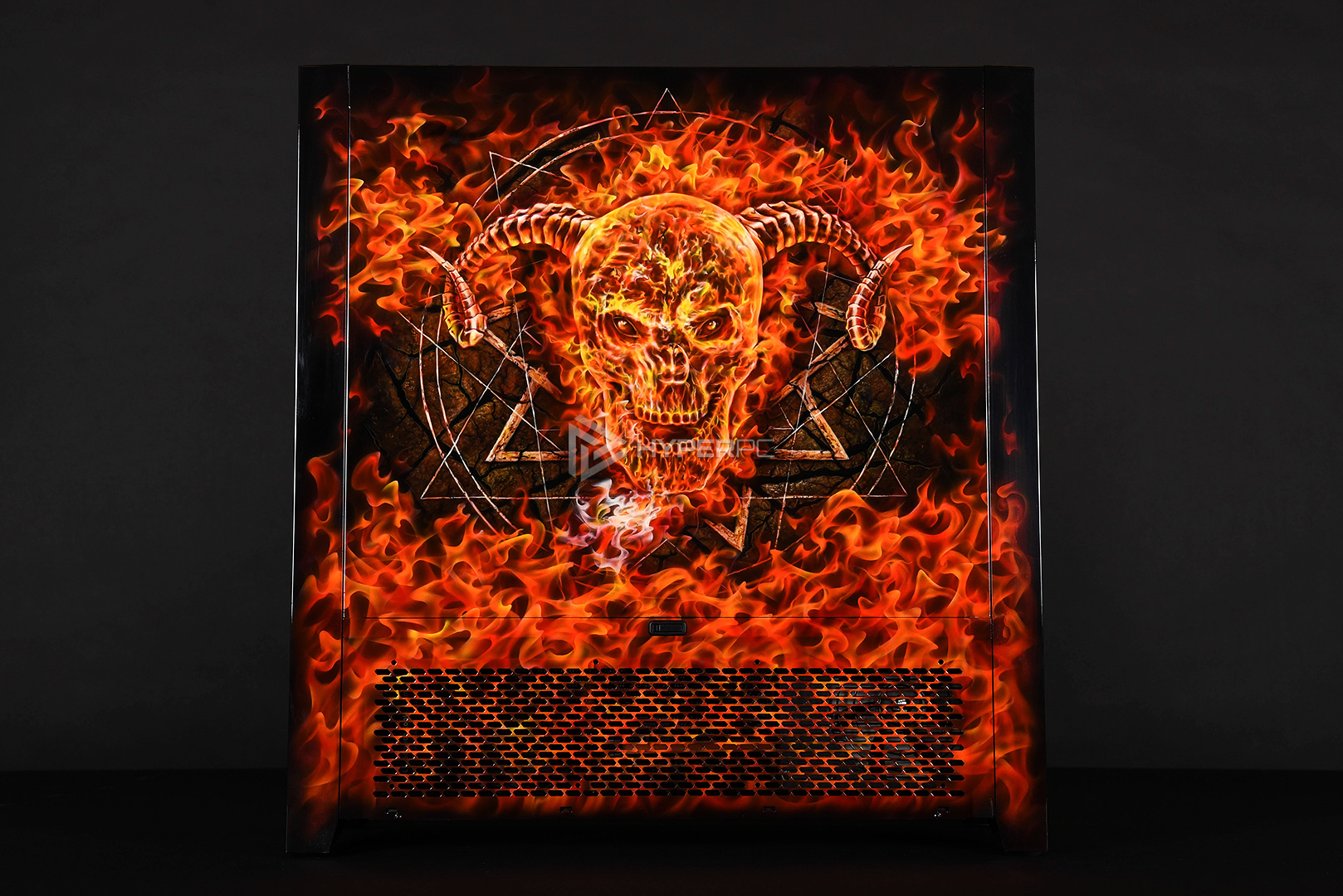
A standard computer case looks like a metal box. But in the hands of an experienced craftsman, it becomes an exclusive art object that cannot be mistaken for a mass-produced product. PC case airbrushing is hand-painted artwork in which every detail is refined by a professional artist using a precision airbrush. Automotive-style PC case painting delivers deep, rich, perfectly even color and a flawless gloss comparable to the finish of premium sports cars.
Let’s take a detailed look at how the techniques differ, how a design is applied to a computer case step by step, what determines the final cost, and how to order PC case customization from the specialized HYPERPC CONCEPT atelier.
How Airbrushing Differs from Conventional Painting
Many users mistakenly confuse artistic airbrushing, professional automotive-style painting, and conventional painting. These are fundamentally different processes that produce radically different results.
Conventional painting involves applying a single-color decorative layer of paint to a prepared surface. The finish can be matte or glossy, but it does not include complex artwork.
Professional automotive-style painting of a computer case uses technology borrowed from the automotive industry. It is performed in sealed paint booths using certified spray guns, high-quality primers, pigments, and clear coats that resist fading and mechanical damage. This process produces a perfectly smooth, deep finish with rich color and a mirror-like reflection. The result looks expensive and premium.
Airbrushing is hand-painted artwork. The artist uses a small precision tool — an airbrush — that sprays liquid paint under controlled air pressure, making it possible to create multilayer photorealistic images of any complexity. This can be a detailed portrait, game-inspired artwork, a three-dimensional abstract composition, or a company logo.
What Custom Case Painting Can Achieve
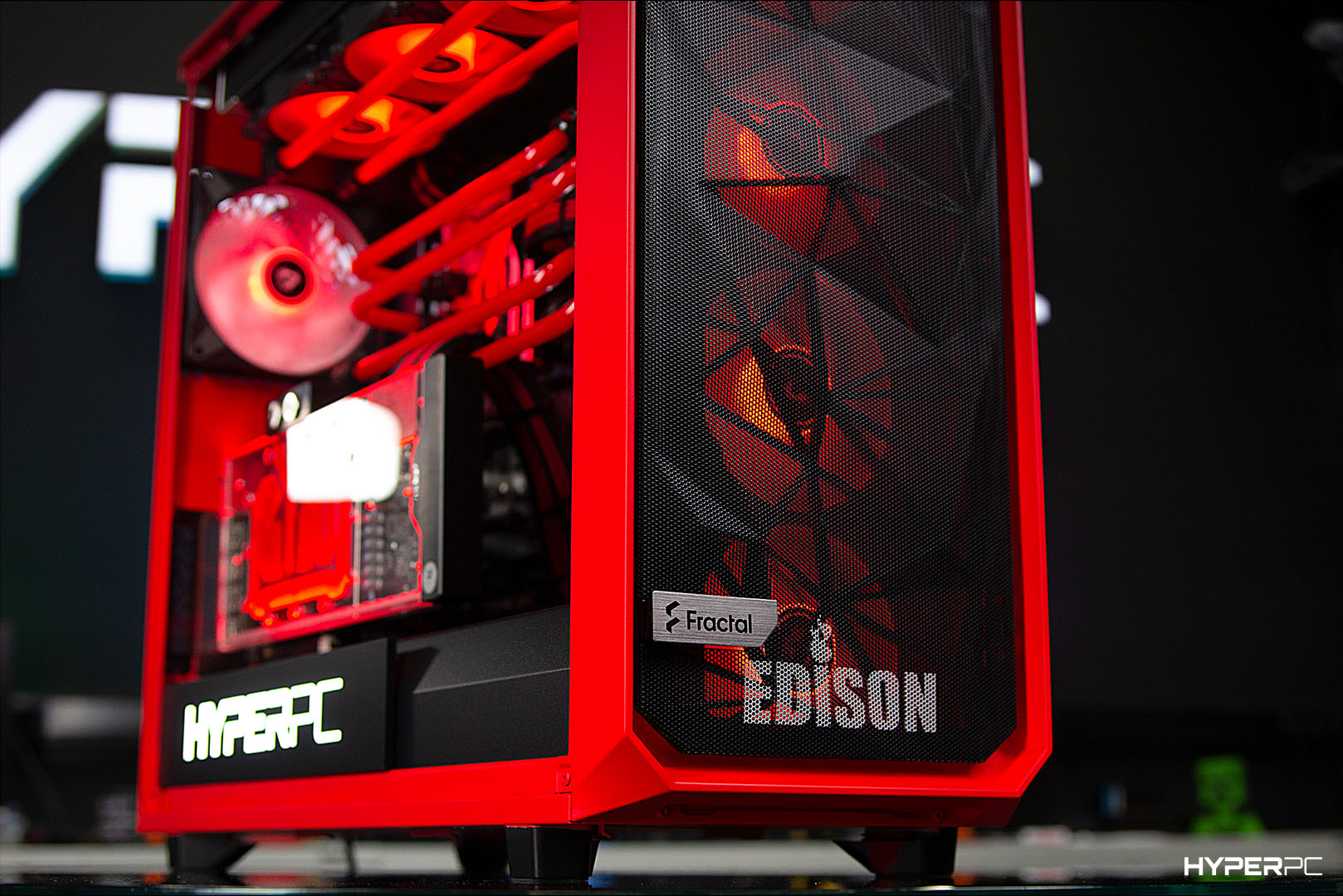
Computer case customization is more than a cosmetic enhancement. It addresses specific needs that mass-produced products cannot meet.
A unique PC look. The computer stops being a faceless box. It becomes an extension of the owner’s personality: their taste, hobbies, and lifestyle.
Brand identity. Large companies order airbrush art to brand display models, create striking showroom setups, prepare executive gifts for partners, or produce grand prizes for major giveaways. A case in corporate colors with a logo becomes a powerful native advertising tool.
A favorite game or fictional universe. Esports and gaming fans order artwork featuring favorite characters or iconic scenes to express their connection to the gaming community.
Gift and collector appeal. Custom hand painting turns a PC into an exclusive premium gift that cannot be bought in a regular store.
Protection and longer service life. Professional multi-layer automotive coating and clear coat reliably protect metal and plastic case parts from corrosion, scratches, chips, and UV fading. A case with quality paint lasts much longer and keeps its original look perfectly.
However, thermal considerations are important when designing a custom finish. Applying excessively thick layers of primer, paint, and clear coat to ventilation grilles, dust filters, or perforated panels reduces the available airflow area. In powerful systems that dissipate up to 1 kW of heat under load, such as configurations with RTX 5090-class graphics cards and Ryzen 9 processors, this can severely restrict cold-air intake and cause overheating. Engineers must therefore carefully control coating thickness on functional airflow components.
The Process: How PC Case Airbrushing Is Created
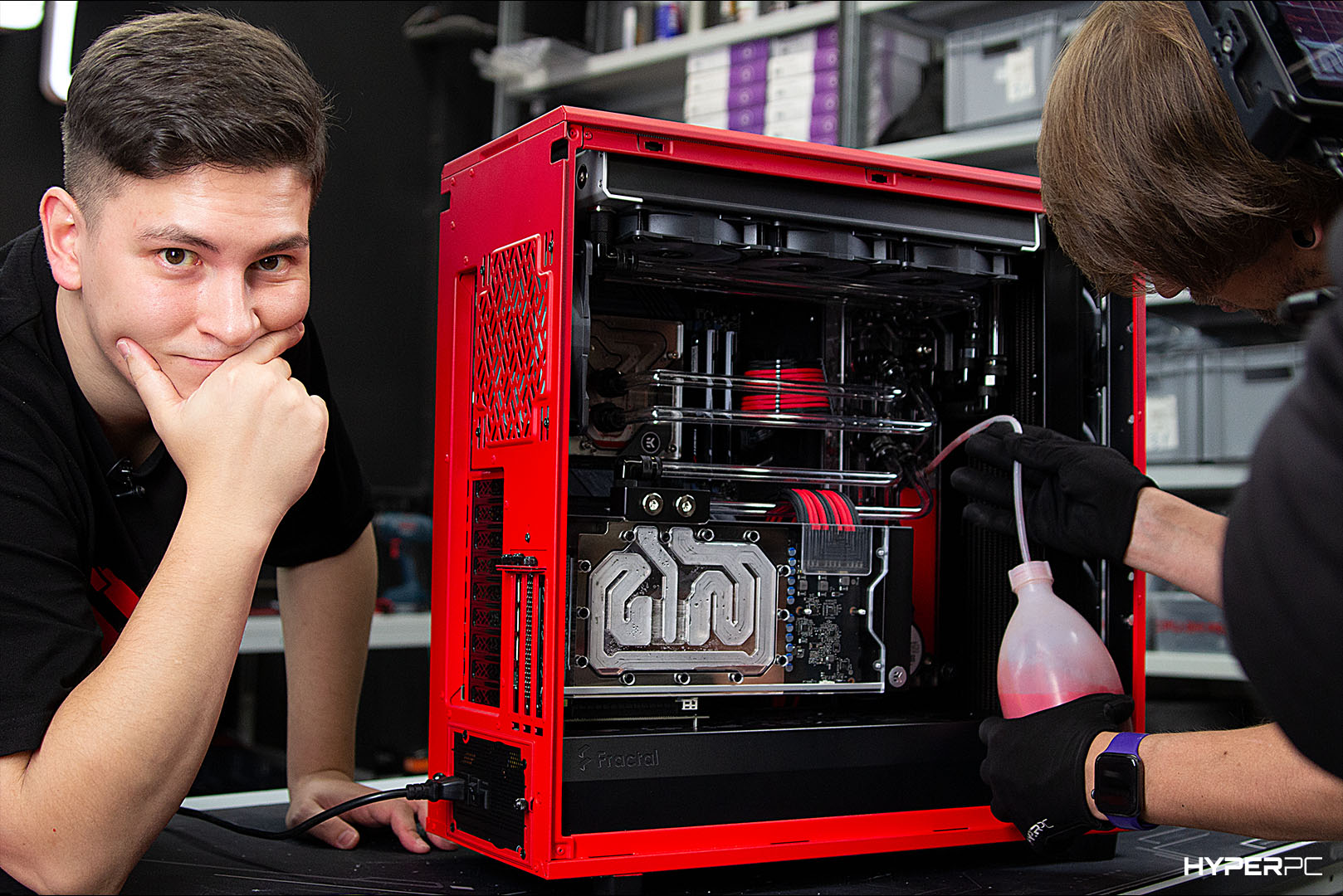
Creating high-quality airbrush artwork is a complex, multistage process that requires precision equipment, a professional paint booth, and extensive experience.
Surface preparation. Case disassembly, sanding, priming
The work begins with surface preparation rather than the sketch, because adhesion determines the durability of the entire finish.
- Full disassembly. The case is taken apart down to the smallest screw: all glass and metal panels, buttons, interface connectors, dust filters, and mounting elements are removed.
- Abrasive sanding. The factory finish is completely removed or scuffed with fine-grit sandpaper to create the roughness required for priming. One important detail is that openings for plastic buttons and connectors are carefully enlarged so they do not jam after several layers of paint and clear coat have been applied.
- Priming and drying. Specialized primer is applied to cleaned parts — separately for metal and plastic. It levels micro-defects and ensures perfect paint adhesion. Primer drying takes about 6 hours at room temperature, after which surfaces are sanded again to mirror smoothness.
- Safety: because automotive primers and paints contain highly toxic organic solvents and isocyanate hardeners, all spraying stages are performed in a sealed booth with powerful exhaust ventilation, and craftsmen work exclusively in full-face respirators with chemical protection filters.
Applying the artwork and paint. Airbrushing, layering, and fine detail
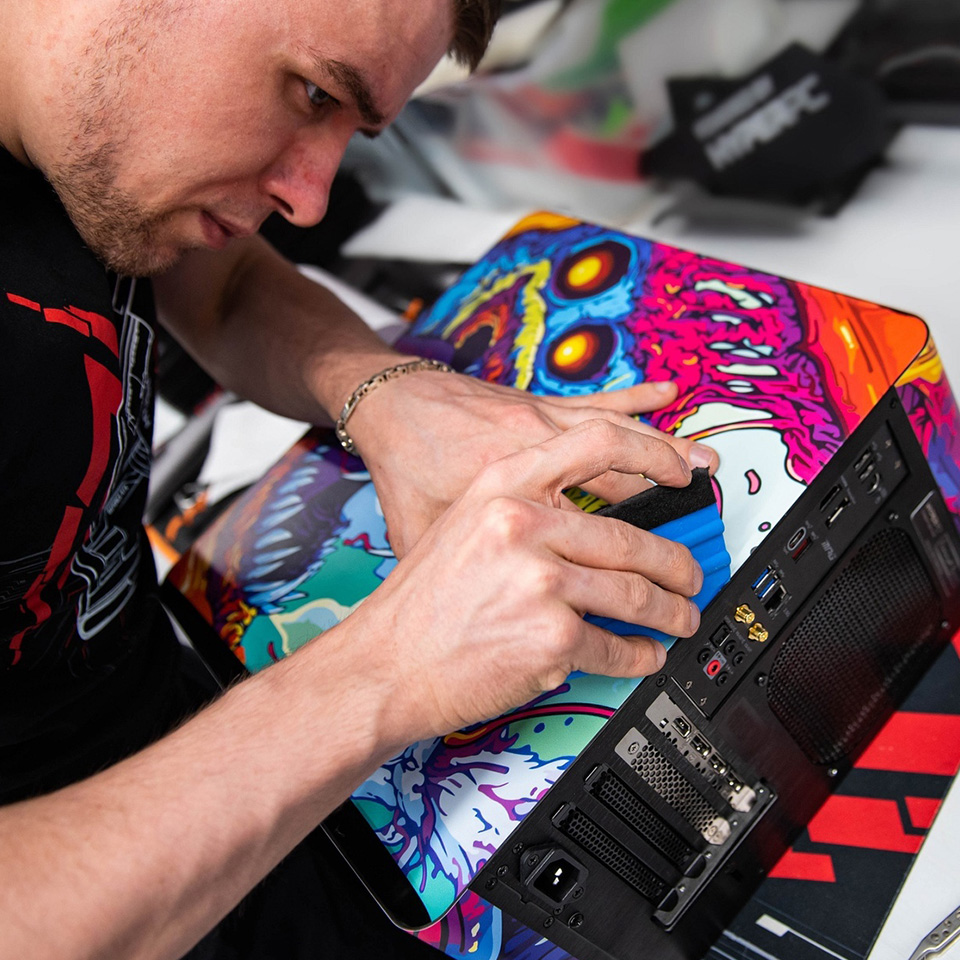
This is the most creative and precision-intensive stage, requiring a steady artist’s hand.
- Base tone. A professional spray gun applies the overall background — base color, metallic, or a smooth gradient serving as the foundation.
- Layer-by-layer artwork. The artist uses an airbrush to apply successive translucent layers of paint. Each color is sprayed separately, allowing the pigments to dry between coats.
- Detailing. At this stage the finest shadows, highlights, facial features of characters, and environmental elements are painted. Plotter-cut stencils are used for sharp graphic edges and logos. After painting is complete, the artwork is allowed to dry for 1 hour before clear coating.
Clear coat and protection. Final coating that protects the artwork from scratches and fading
Quality clear coat not only protects the artwork from mechanical wear but also gives the image a deep optical sense of volume.
- Protective clear coat application. Only premium two-component (2K) acrylic HS (High Solid) automotive clear coats are used. Clear coat is mixed with isocyanate hardener in a strict 2:1 ratio. After mixing, the pot life is only 1–2 hours at 20 °C, so clear coat is applied with spray guns without delay in two even layers.
- Drying and curing. Physical drying of HS clear coat at room temperature takes about 4–6 hours. However, full chemical curing and maximum structural strength require 48 to 72 hours. Only after that can the clear coat be mechanically polished.
- Final polishing. Cured clear coat is polished with abrasive compounds of different grit using rotary machines. This removes microscopic orange peel and achieves perfect automotive gloss.
Customization Options Beyond Airbrushing
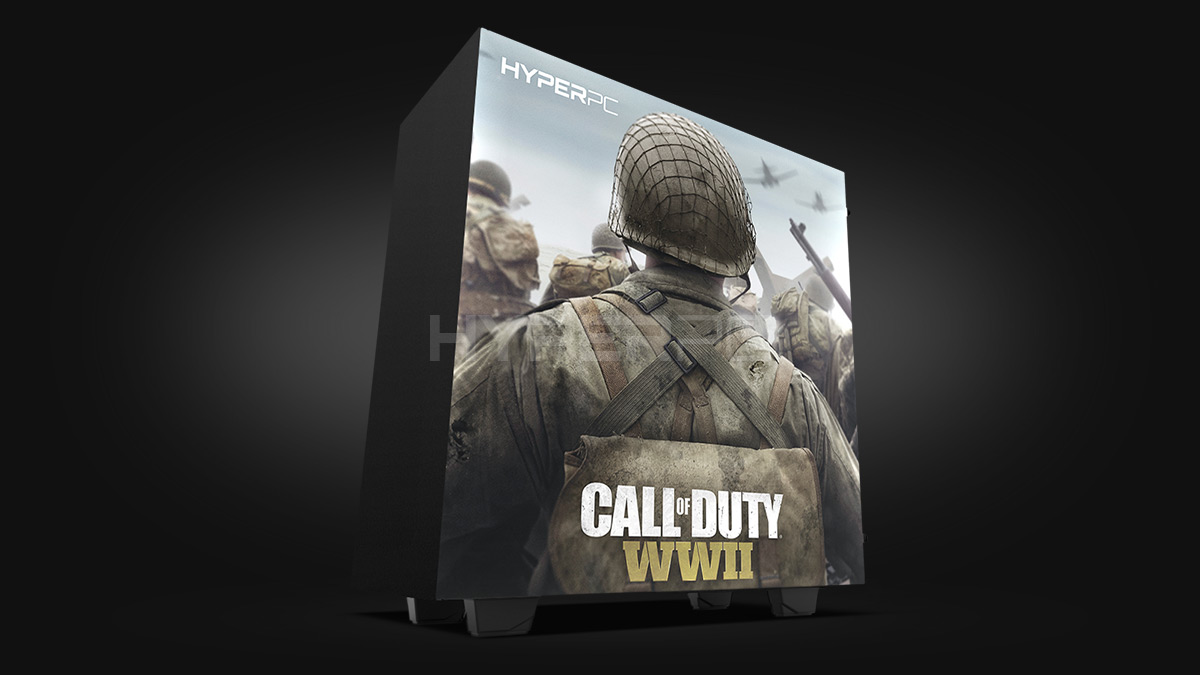
PC case airbrushing is not the only way to make a computer unique. There are other techniques that can be combined.
- Vinyl wrap. The case is wrapped with vinyl film featuring a design. This is a faster decoration method, but it is less durable than automotive enamel.
- UV printing. Images are transferred onto flat panels using an industrial UV printer where ink instantly cures under ultraviolet lamps. It delivers high sharpness but is limited by part geometry.
- Glass engraving. Laser engraving on tempered glass side panels requires strict process control. Tempered glass is under high internal stress. Standard high-power CO2 lasers cause localized overheating and micro-cracks, which can lead to spontaneous glass failure during engraving or later — under heat from a powerful graphics card. For safe matte logo application, HYPERPC uses precision cold UV lasers or alternative methods — chemical etching and UV printing.
- 3D-printed parts. Diorama elements, character figures, and decorative overlays are printed from heat-resistant engineering plastics (PETG, ABS), then hand-sanded, painted, and decorated with gold leaf.
- Custom liquid cooling. Tubes, fittings, coolant, and water blocks can be painted to match the case color or a contrasting shade, creating a unified style. Copper water blocks must not share a loop with aluminum parts to avoid galvanic corrosion.
How Much It Costs and What Determines the Price
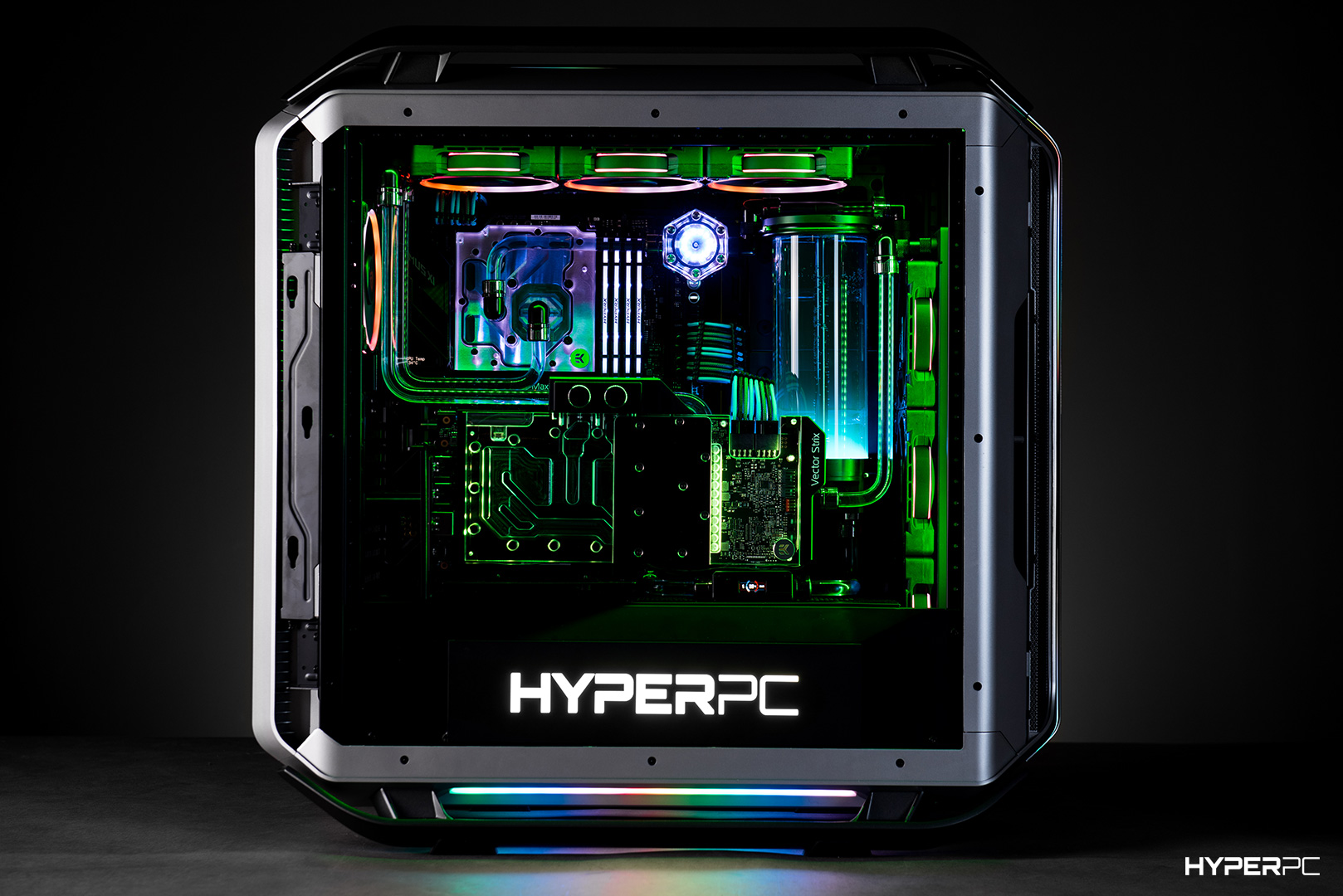
Custom airbrushing and automotive-style painting are priced individually. The artist evaluates each project separately.
Flagship handcrafted CONCEPT projects that include full automotive-style painting, complex artwork, and gilded 3D elements are one-of-a-kind collector’s pieces priced at approximately AED 98,370. Explore the lineup on the CONCEPT 5, CONCEPT 7, CONCEPT 9, and CONCEPT X pages. The final price depends on the following factors:
- Sketch complexity. Simple geometric stripes or gradients cost significantly less than photorealistic character portraits that require hundreds of hours of meticulous work by the artist;
- Surface area to be painted. Applying artwork to a single side panel costs less than painting the entire chassis inside and out, including liquid-cooling radiators and fan frames;
- Number of colors and clear coat type. Multicolor transitions, metallic pigments, candy paints, and the choice between an ultrahigh-gloss or deep matte clear coat directly affect material consumption and the amount of polishing required.
How to Order PC Case Airbrushing from HYPERPC
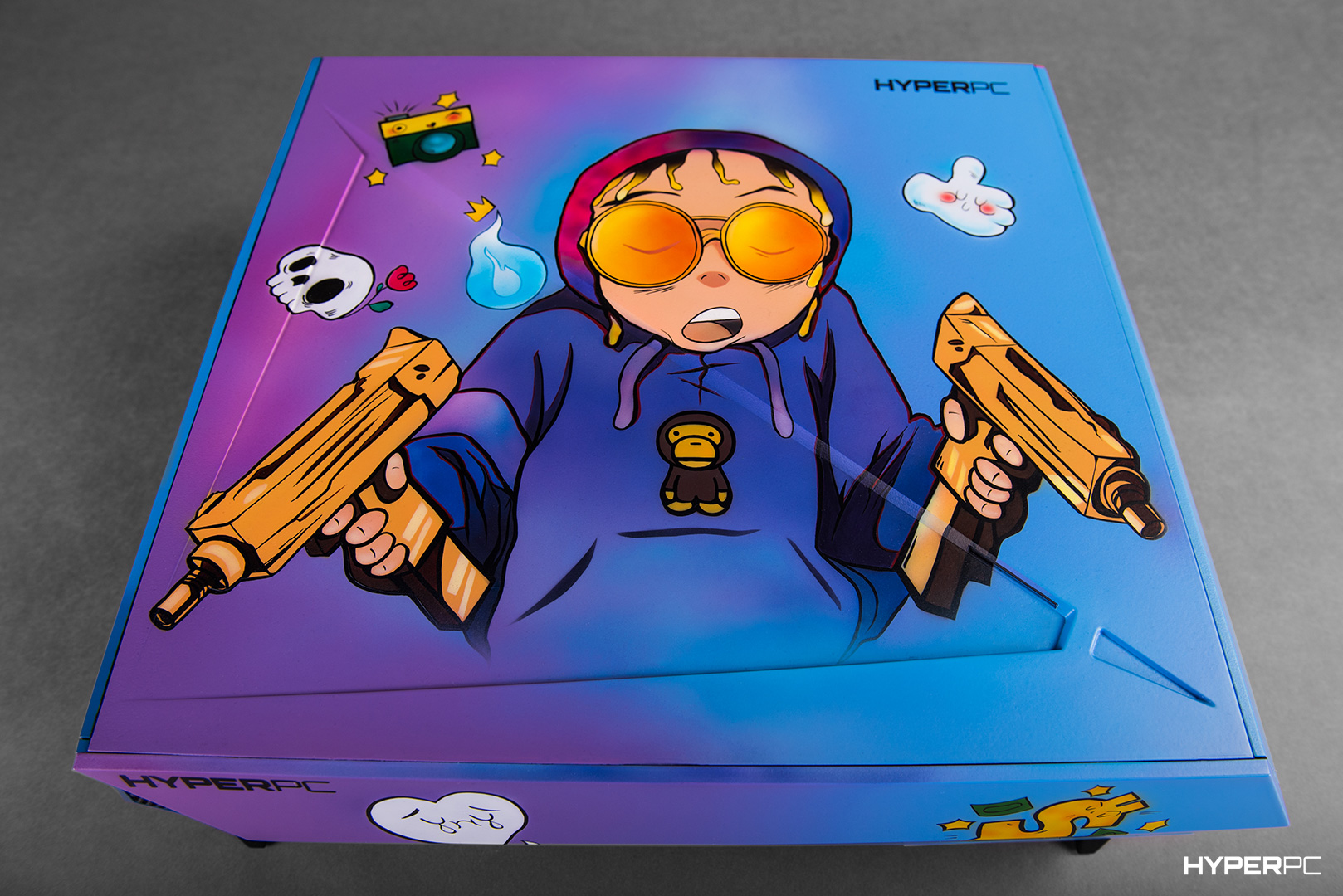
The process for ordering PC case airbrushing from the HYPERPC atelier is designed to give the client a perfect result without unnecessary complexity.
- Step 1. Idea discussion. You describe what you want: theme, colors, characters, logo, online references. The artist helps shape the concept and advises on feasibility.
- Step 2. Sketch development. The artist creates a detailed sketch — from drafts to color visualization. The sketch is approved by the client. This is an important stage because revisions at this point are cheaper and easier than redoing a finished case.
- Step 3. Budget and timeline approval. Cost, deadlines, and work stages are discussed. A start date is set.
- Step 4. Execution. The artist performs preparation, painting, artwork application, clear coating, and polishing. Depending on complexity, work takes from 2 to 4 weeks.
- Step 5. Assembly and testing of the finished PC. Once the case is ready, the components are installed. The assembled PC undergoes a mandatory 8-hour stress test to verify stable operation and ensure there are no cooling issues.
- Step 6. Client handover. The finished computer is delivered to the client with coating care recommendations.
Conclusion
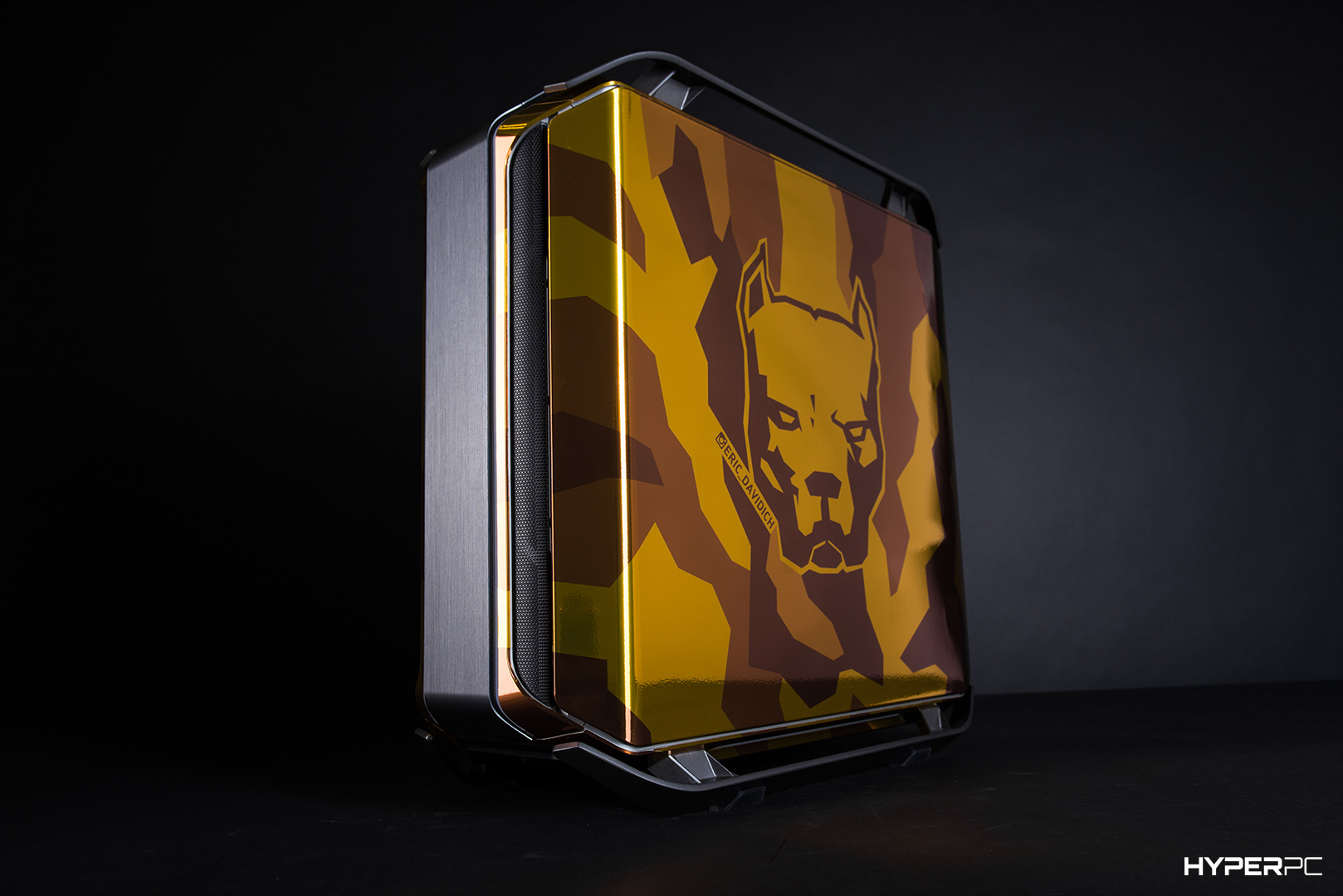
Artistic PC painting and PC case airbrushing can turn a computer into a unique work of art. Automotive-style painting provides deep, rich color and a perfect gloss. Airbrushing adds finely rendered details by hand, making every case one of a kind. This type of customization supports image-building, branding, personalization, and status.
At the HYPERPC CONCEPT atelier, we create these projects from scratch — from the initial sketch to final assembly. Our artists and technicians master every technique: airbrushing, automotive-style painting, vinyl wrapping, engraving, 3D printing, custom liquid cooling, and complex lighting. We work with ideas ranging from minimalist gradients to intricate multilayer compositions inspired by fantasy, cyberpunk, and gaming universes.
Want to personalize an existing PC? HYPERPC can build a complete computer from scratch or upgrade an existing case with custom paint or airbrushing. Discuss your sketch with the HYPERPC CONCEPT atelier team and create a computer that reflects your personality.

 Arabic
  English