We are ready to help
How Much a Dream PC Costs in 2026 and What Makes Up the Price
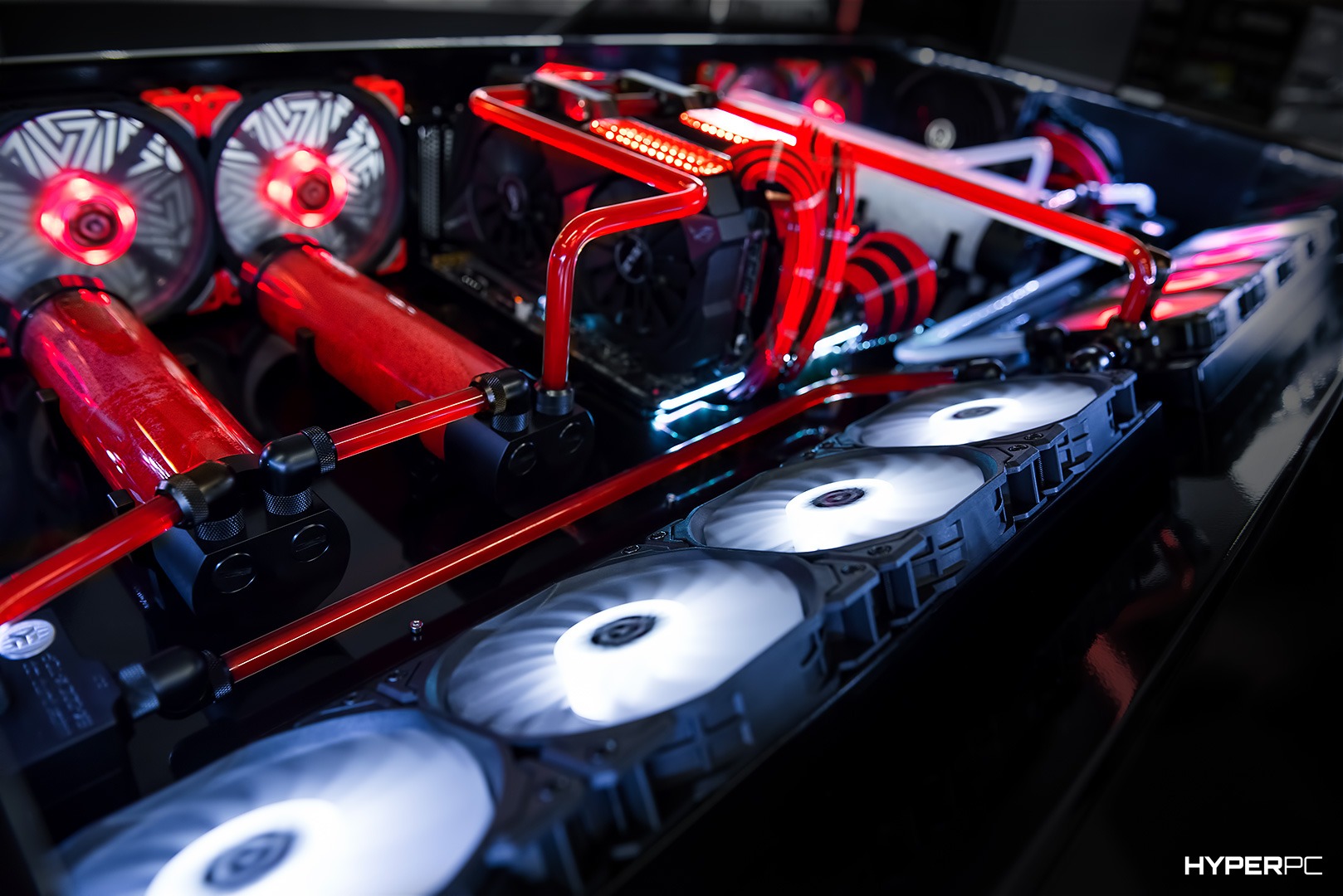
A “dream PC” is a flexible idea. For one person it means maximum FPS in 4K with ray tracing; for another — 8K gaming and professional rendering; for a third — unique design with custom liquid cooling and airbrush art. The price of such a computer can range from about AED 14,200 to AED 142,000. In this article we break the cost down by component and show where the budget really goes, so you understand what makes up a PC’s price and how much it truly costs to build a dream PC in 2026.
What People Mean by a “Dream PC”
Everyone has their own idea of the ideal machine. That directly determines the price of a top-tier PC.
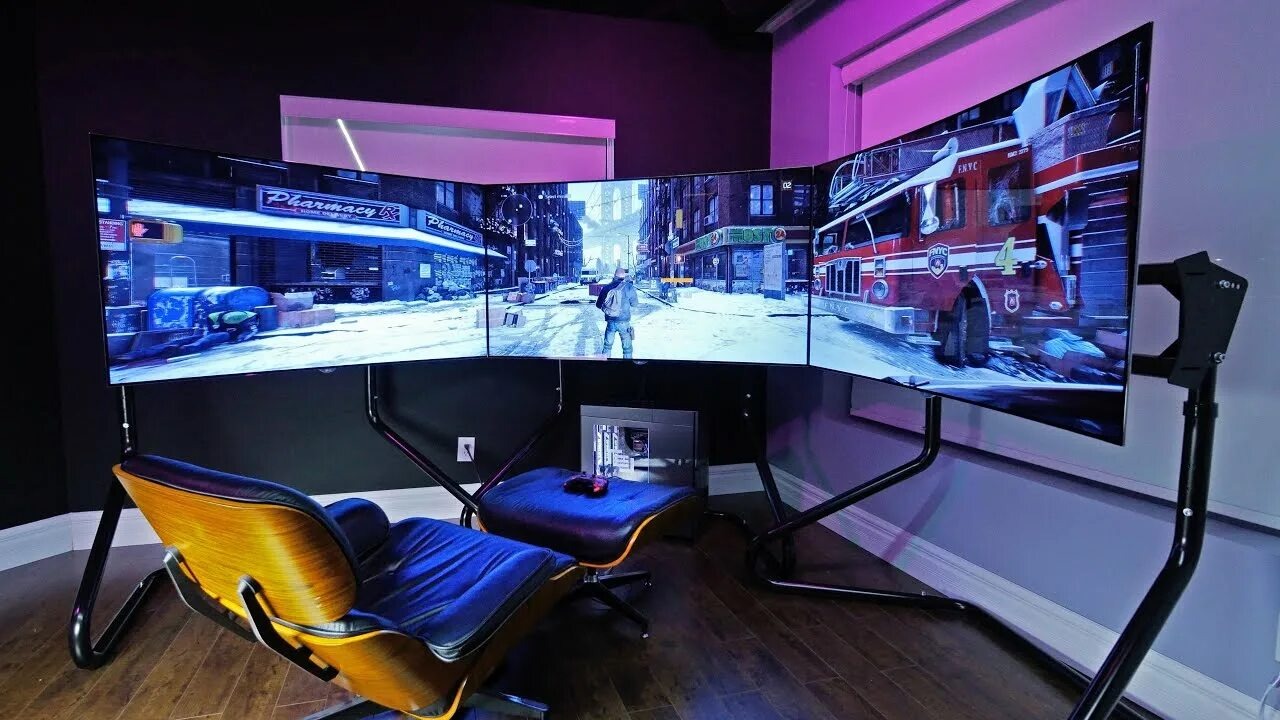
For a gamer, a “dream PC” is a system that delivers 120+ FPS in 4K on ultra settings without compromises. The key pieces are a flagship graphics card and a fast processor with a large cache. Everything else is secondary.
For a professional (video editor, 3D artist, AI engineer), it is a workstation that handles 8K video, complex rendering, and local neural-network training. Critical factors are VRAM capacity, CPU core count, and a large pool of system memory.
For an enthusiast and collector, it is also a work of art: unique design, custom liquid cooling, individual case painting, silent operation, and maximum performance across the board.
The cost of a premium build starts from about AED 14,200 for a powerful gaming PC and easily exceeds AED 94,500 when the talk turns to a professional station based on Threadripper PRO with custom liquid cooling and unique design. Let’s break down what makes up that price and where the money goes.
What Makes Up the Cost of a Premium Build
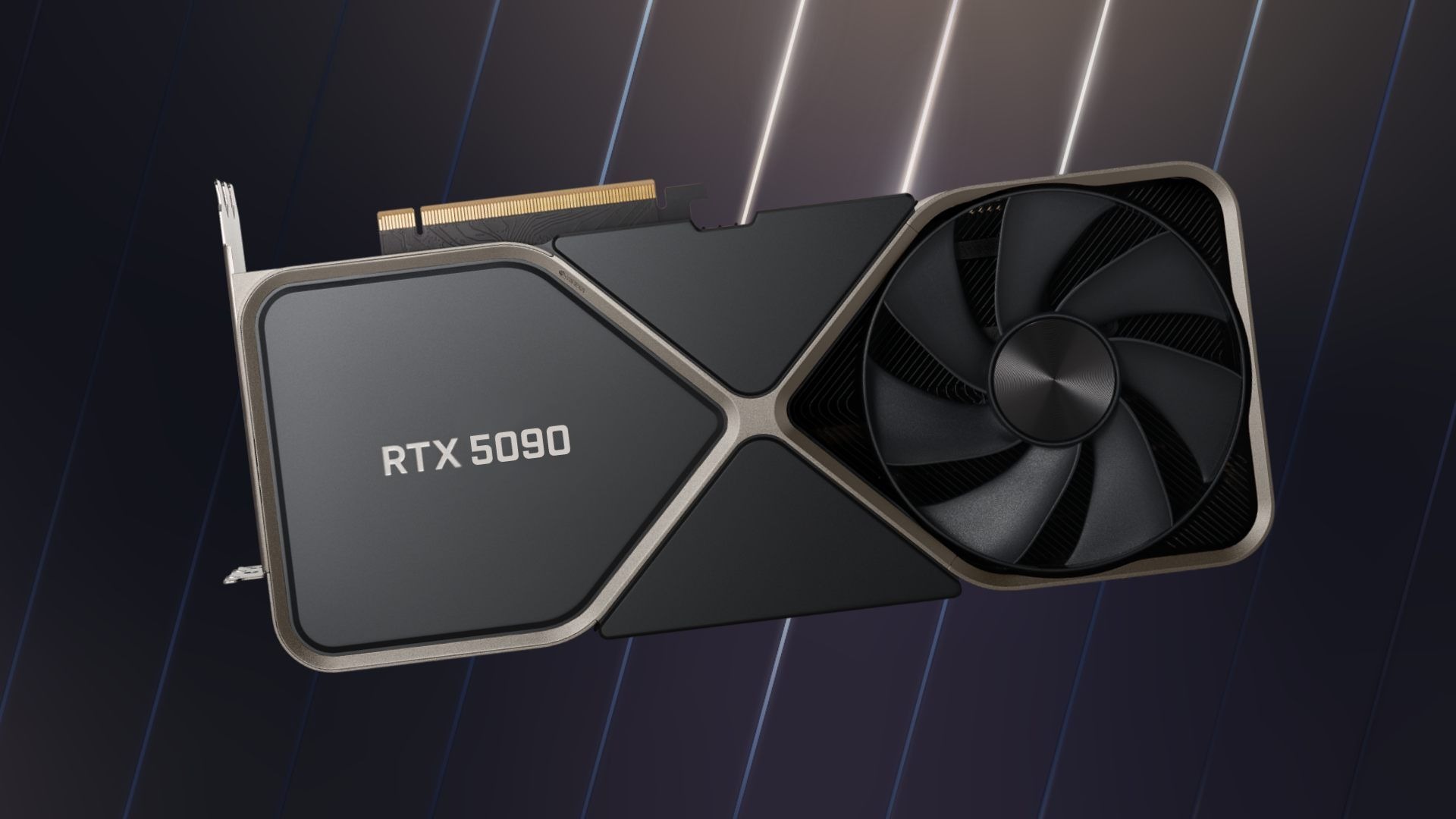
Any computer is made of about a dozen key components. In a premium build, the cost of each can rival the price of a full budget PC. Here are the main expense lines.
Graphics card. The most expensive part of a gaming or professional PC. It determines how many frames per second you see in a game and how fast a scene renders. In top builds, the GPU takes 40–55% of the entire budget.
Processor and platform. The second-largest expense. Gaming is fine with 8 cores; work needs 16 or more. The motherboard and system memory are tied to it and also affect the final price.
System memory. In 2026, premium builds are built exclusively on DDR5. Capacity ranges from 32 to 128 GB. The more memory, the more expensive the system — especially amid the current RAM market shortage.
Storage. Fast NVMe SSDs of 1–4 TB. Top configurations often use two drives: one system drive (PCIe 5.0) and one project drive (high-capacity PCIe 4.0).
Power supply. A quality PSU rated 1000–1600 W to the ATX 3.1 standard with an 80+ Gold or Platinum certificate. You do not cut corners here: modern flagship parts under load cause peak microsecond power spikes, so standard 850 W units are unsuitable for top pairings due to the risk of emergency shutdown on overload protection.
Cooling. Air or liquid. In the premium segment that means custom liquid cooling, which costs from about AED 2,360 to AED 9,450 depending on complexity.
Case. Spacious, with good airflow and thoughtful cable management. In the “dream PC” segment — often a unique design.
Where the Budget Really Goes
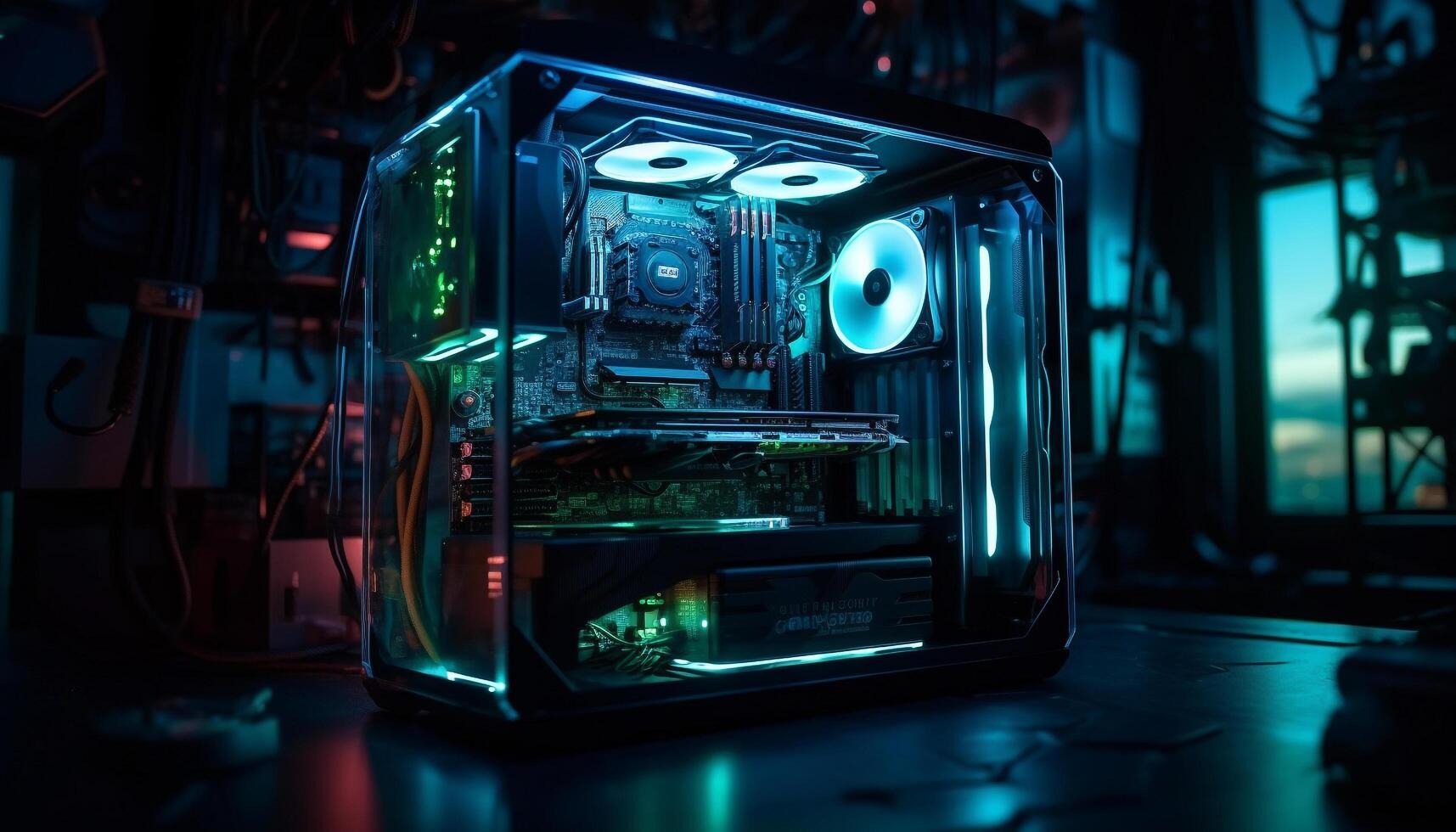
Let’s look at the three main expense lines in more detail. This is where most of a top-tier PC’s cost is concentrated.
Graphics card. Why it consumes the largest share of the estimate
In a premium build, the GPU takes 40–55% of the entire budget. In 2026 the flagship remains the NVIDIA GeForce RTX 5090 with 32 GB of GDDR7 memory. Its price in major official retail channels with a full warranty is about AED 18,000 to AED 18,900+, while through parallel-import “made-to-order” channels from abroad it can be found for about AED 12,300 to AED 13,200.
Why so expensive? First, it is the most powerful graphics chip on the market, with 21,760 CUDA cores and 1.79 TB/s of memory bandwidth. Second, manufacturing GB202 dies at TSMC plants is extremely complex, and shortages plus huge demand for flagship AI compute silicon only push silicon prices higher.
If the job is 8K gaming or working with large language models, there are practically no alternatives to the RTX 5090. The RTX 5080 with 16 GB costs less. In official retail its price sits around AED 5,670 – AED 6,900, but in heavy scenarios it quickly hits the physical VRAM limit. For example, running Llama 3.3 70B locally in Q4 quantization needs at least 42 GB of VRAM including context and system overhead, which makes full operation on a 16 GB card impossible without slow layer offloading into system RAM. For an uncompromising “dream PC,” the choice is clear — only the RTX 5090.
Processor and platform. When the upgrade is worth it — and when it is not
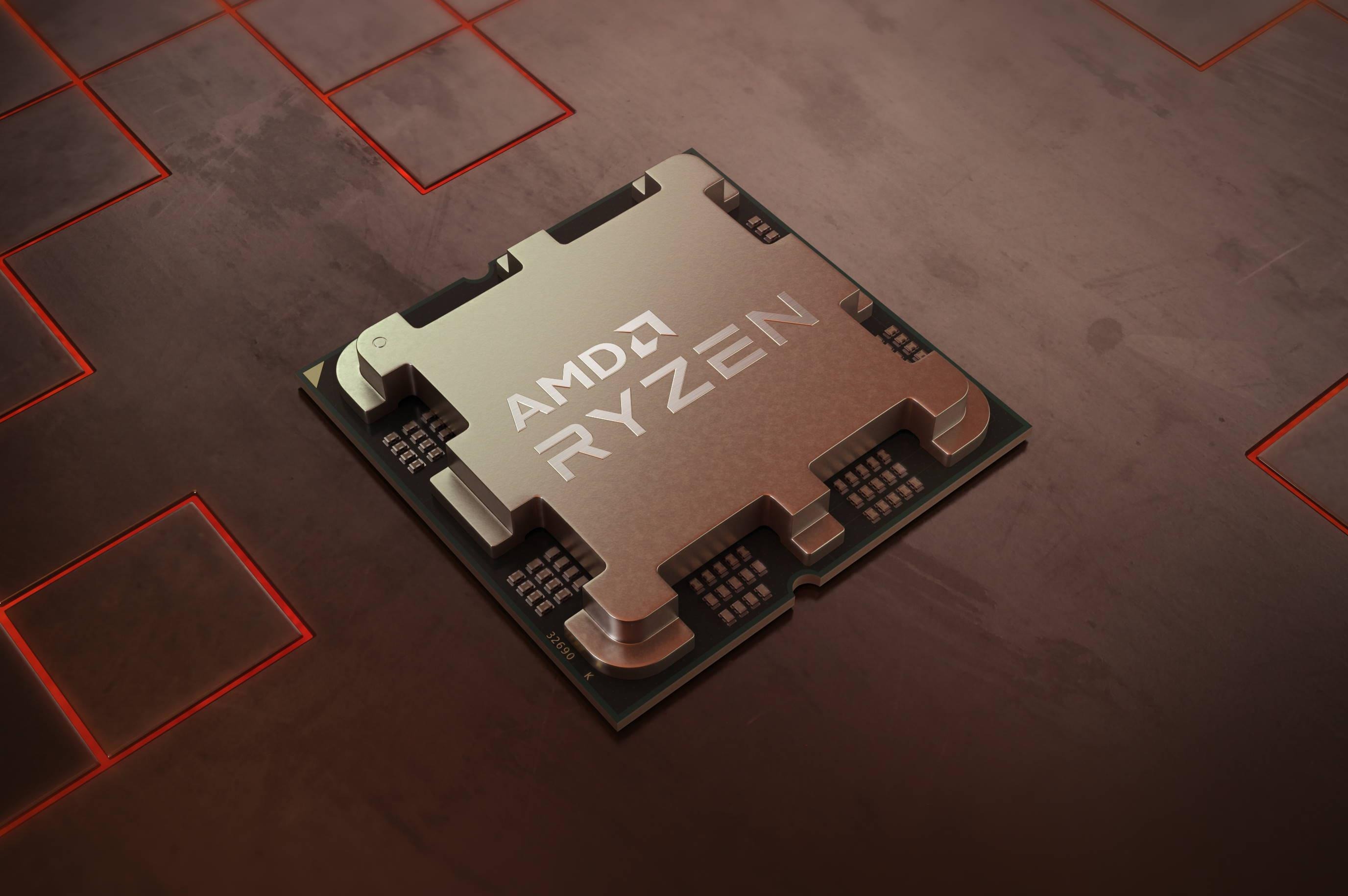
The processor is the second most important component. It takes 10–20% of the budget. In the premium segment the choice is between the AMD Ryzen 7 9800X3D (for gaming), Ryzen 9 9950X3D (all-rounder), and Intel Core Ultra 9 285K (for work).
When is the extra spend justified? If you are building a system for 8K editing, rendering, or simulations, extra cores deliver a real performance gain of up to 30–50%. If you only game, then the 8-core 9800X3D with 3D V-Cache (96 MB L3) will deliver more FPS than 16 cores without the extra cache by cutting memory-subsystem latency. Paying for extra cores in a pure gaming scenario has no practical sense.
The motherboard is another expense line tied to the CPU. In the premium segment these are boards on X870E (AMD) or Z890 (Intel) chipsets with strong VRM, PCIe 5.0 support, and quality audio. Their price ranges from about AED 1,180 to AED 2,840+. You cannot save on the motherboard: a weak power delivery will not sustain a powerful multi-core CPU under load, which leads to throttling and loss of stability.
Memory, storage, and power. Where saving is safe — and where it is harmful
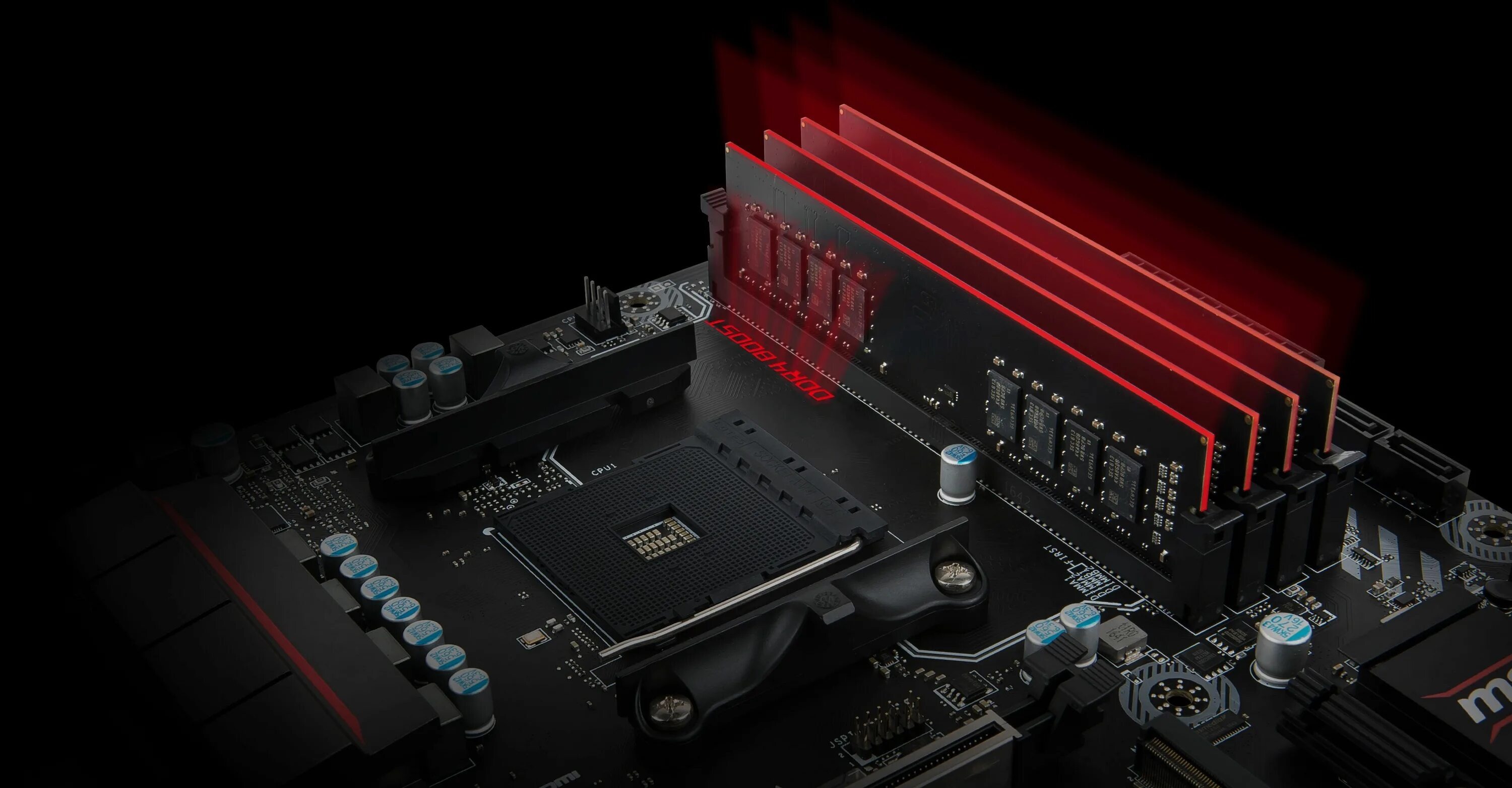
System memory in 2026 is a sore subject. Because semiconductor fabs have globally shifted toward HBM production for AI chips, consumer DDR5 prices have risen sharply. A 2×16 GB DDR5-6000 CL30 kit retails for about AED 1,650 – AED 1,890, while a 2×32 GB kit already starts from about AED 3,310. In a premium build you can save on memory by taking 32 GB instead of 64 GB. That is enough for gaming. For 8K video work and rendering — it is not.
Storage. Moderate savings here are possible and completely safe. Instead of an expensive Gen5 SSD such as the Samsung 9100 PRO with sequential reads up to 14,800 MB/s, you can take a quality PCIe 4.0 drive at 7,000 MB/s. In games and most work tasks you simply will not notice the difference. But remember: if you still choose a fast PCIe 5.0 SSD, you must not skimp on its cooling. Under load such a drive’s controller dissipates up to 10 W of heat and, without a substantial heatsink, instantly climbs above 70 degrees and hard thermal-throttles. Also do not save on capacity — 1 TB in 2026 is critically small for modern games and projects.
Power supply. You cannot save here. A cheap PSU without solid surge protection can destroy the graphics card and motherboard under peak load. At peak, the RTX 5090 draws up to 575 W, and the PPT socket limit on Ryzen 9 processors reaches 230 W. In a premium build, a high-quality 1200 to 1600 W ATX 3.1 80+ Platinum PSU costs about AED 710 to AED 1,890. That is reliable insurance for the entire system.
What Adds to the Price in the Premium Segment
Once the base components are chosen, factors come into play that turn a simply powerful PC into an exclusive “dream PC.”
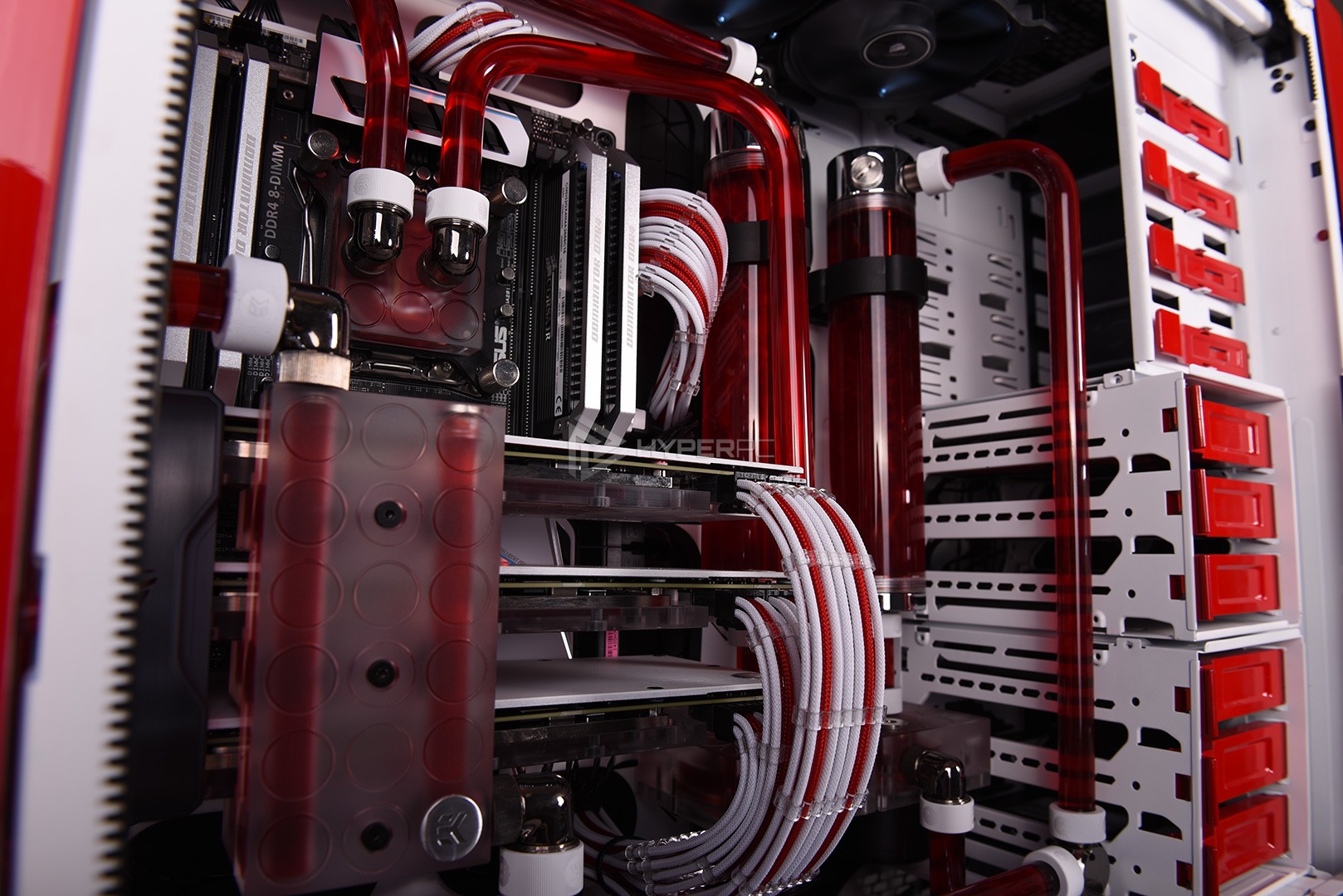
Custom liquid cooling. A mass-market sealed 360 mm cooler costs about AED 470 – AED 950. A custom loop with full-cover GPU and CPU blocks, a reservoir, pump, and hard acrylic or metal tubing runs from about AED 2,360 to AED 9,450. It guarantees ideal component temperatures and silent operation while underlining the system’s status.
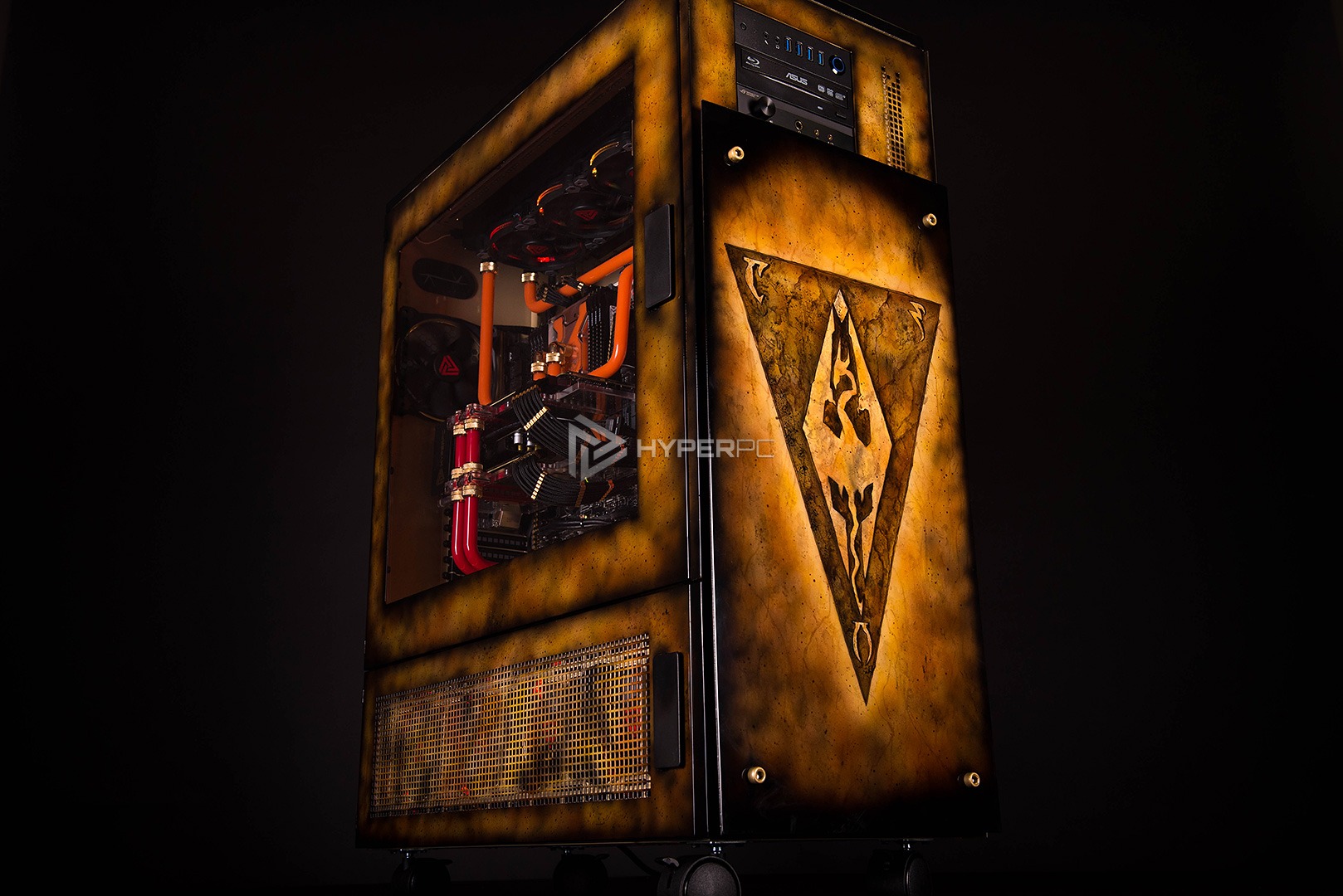
Modding and airbrush art. Unique hand-painted case artwork, laser engraving, decorative lighting, custom cable sleeving — all of this adds about AED 2,360 to AED 7,090 to the cost. For most people that is excess; for creating a unique art object — a necessity.
Quiet components. Premium fans (Noctua, Be Quiet!, or Lian Li UNI FAN TL), panels with vibration and noise isolation, professional thermal interfaces. These parts cost more than standard ones, but deliver absolute acoustic comfort right in your room.
Premium case. A spacious Full-Tower of aircraft aluminum and tempered glass (for example, HYPERPC AMPERE 2.0 or PHANTEKS NV7) costs about AED 950 to AED 2,840. That guarantees excellent airflow and easy servicing.
Turnkey assembly with warranty and testing. Professional assembly with fine BIOS tuning, software updates, and mandatory multi-hour stress testing (at least 8 hours under maximum load) costs 5–15% more than the parts alone. For that premium you get comprehensive warranty coverage, on-site service, and out-of-the-box system stability.
Summary Table: Dream PC Tiers and Price Guide
| Tier | Tasks | Budget guide | Key components |
|---|---|---|---|
| Strong 4K gaming | 4K ultra, streaming | AED 14,200 – 21,300 | RTX 5080 + Ryzen 7 9800X3D + 32 GB DDR5 |
| Flagship all-rounder | 4K gaming + rendering, 4K editing | AED 21,300 – 33,100 | RTX 5090 + Ryzen 9 9950X3D + 64 GB DDR5 |
| 8K gaming and professional station | 8K gaming, 8K editing, heavy AI inference | AED 61,400 – 118,200+ | RTX 5090 + Threadripper PRO + 128 GB DDR5 + custom liquid cooling |
| Unique “dream PC” | Everything above + exclusive design | from AED 61,400 | Top parts + custom liquid cooling + deep modding + turnkey assembly |
How Not to Overpay for Status
A premium build is about balance. You should pay for components only when they deliver a real performance gain for your workloads.
Invest in the graphics card. It is the most important part for gaming and rendering. If the overall budget is limited, it is more rational to take a strong RTX 5090 and save on an expensive case or lighting than to buy an RTX 5080 with excessive exterior styling.
Do not overpay for the CPU if you only game. The Ryzen 7 9800X3D will deliver maximum FPS in games. The Ryzen 9 9950X3D is only needed by those who combine gaming with heavy work. Paying for 16 cores in a pure gaming PC is wasted budget.
Do not chase memory frequency. DDR5-6000 CL30 is the optimal frequency for AMD in synchronous mode. DDR5-6400–7200 is for Intel. 8000 MHz modules will not give a noticeable gaming gain but can reduce memory-controller stability.
Save on secondary items. Skipping excess RGB, choosing a quality but non-branded case, and installing a PCIe 4.0 SSD instead of Gen5 is savings without losing real performance. A beautiful case or lighting can be added later; chip-level horsepower must be planned from the start.
Do not save on the PSU and cooling. A cheap power supply can burn an expensive system during peak spikes. Weak cooling leads to overheating, CPU clock cuts (throttling), and lost FPS. These are the components that protect your financial investment.
Conclusion
How much does a dream PC cost in 2026? The answer depends on your tasks and ambitions. A powerful 4K gaming PC runs about AED 14,200 to AED 21,300. A flagship all-rounder for gaming and work — about AED 21,300 to AED 33,100. An uncompromising workstation on a professional HEDT platform — about AED 61,400 to AED 118,200 and more. A unique “dream PC” with custom design — from about AED 61,400 and up.
What makes up a PC’s price? The graphics card (40–55% of the budget), the processor and platform (10–20%), memory and storage, the power supply and cooling, plus custom liquid cooling, modding, and turnkey assembly in the premium segment. The most expensive PC component is the graphics card, and that is where you should invest first.
To build a dream PC without wasteful spending, you need a clear view of your tasks. If you only game — take an RTX 5090 and Ryzen 7 9800X3D. If you work with 8K video or AI — a Ryzen 9 9950X3D or Threadripper PRO with 64–128 GB of RAM. And in every case you need a quality PSU and reliable cooling.
Ready “dream PCs” are already assembled in the HYPERPC catalog. For example, the flagship LUMEN ULTRA lineup offers balanced systems based on the RTX 5090 and Ryzen 9 9950X3D or Intel Core Ultra 9 285K processors with 64 GB of system memory. If you want a unique PC with custom liquid cooling, individual design, and maximum performance — HYPERPC can help turn any idea into reality.

 Arabic
  English