We are ready to help you
RTX 5070 Ti vs RTX 5080 comparison: is it worth paying more for the more powerful graphics card?
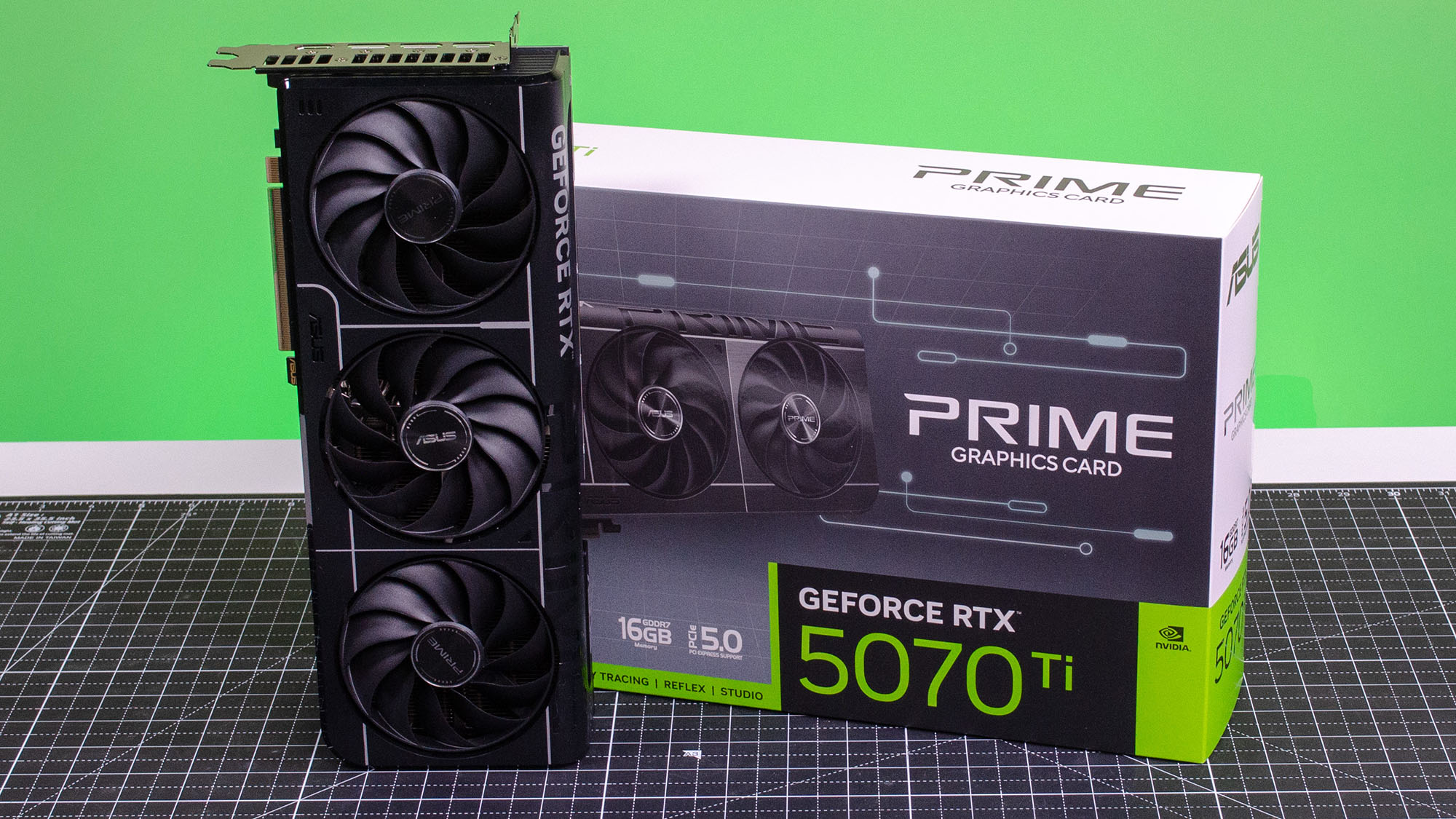
GeForce RTX 5070 Ti vs 5080 is a comparison of two Blackwell-architecture solutions in the high-end segment. Both graphics cards NVIDIA are built on the same GB203 chip, feature 16 GB of GDDR7 and support DLSS 4.5 with Multi Frame Generation. But RTX 5080 costs 30% more — is the extra cost?
Overview
NVIDIA announced RTX 5070 Ti and RTX 5080 on January 6, 2025. Actual RTX 5080 sales began on January 30, 2025, while RTX 5070 Ti reached the market on February 20, 2025. RTX 5070 Ti launched from 4,190 AED, while RTX 5080 started from 5,590 AED. The key difference is the number of active units: RTX 5080 uses a full GB203-400-A1 die with 10,752 CUDA cores and 64 MB of L2 cache, while RTX 5070 Ti uses the GB203-300-A1 chip with 8,960 cores and 48 MB of cache. Technologically, the cards are identical; choice depends only on the required performance headroom and budget.
RTX 5070 Ti and RTX 5080 specifications comparison
Technical specifications
| Parameter | RTX 5070 Ti | RTX 5080 |
|---|---|---|
| Die | GB203-300-A1 | GB203-400-A1 |
| Process technology | TSMC 5 nm | TSMC 5 nm |
| CUDA cores | 8960 | 10 752 |
| RT cores | 70 | 84 |
| Tensor cores | 280 | 336 |
| Base / Boost frequency | 2295 / 2452 MHz | 2295 / 2617 MHz |
| TDP | 300 W | 360 W |
| Launch price | from 4,190 AED | from 5,590 AED |
Graphics processor
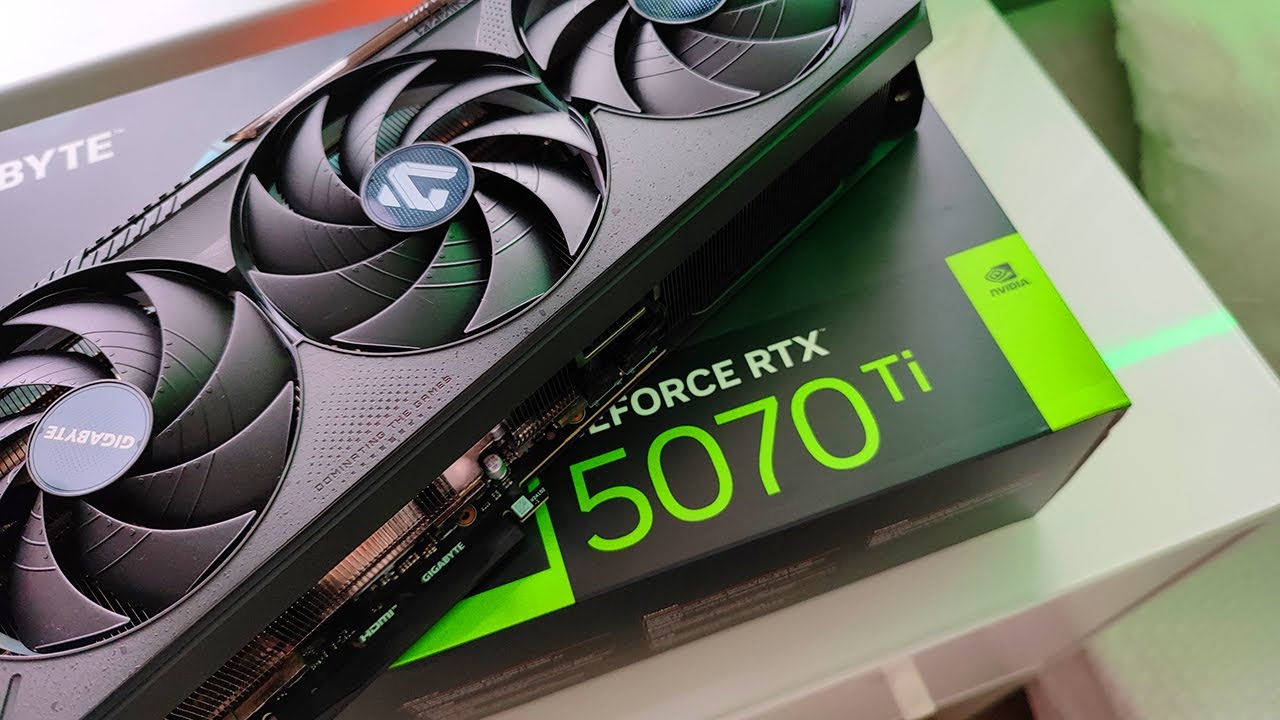
In theoretical FP32 performance, the graphics card RTX 5080 is 28% ahead of RTX 5070 Ti (56.3 vs 43.9 TFLOPS). In real games the gap is smaller: the load on the GPU rarely hits peak compute limits.
Memory and VRAM
| Parameter | RTX 5070 Ti | RTX 5080 |
|---|---|---|
| VRAM capacity | 16 GB GDDR7 | 16 GB GDDR7 |
| Memory bus | 256-bit | 256-bit |
| Bandwidth | 896 GB/s | 960 GB/s |
In VRAM capacity, the cards are equal — 16 GB of GDDR7. RTX 5080 only has an advantage in memory speed: bandwidth is 7% higher.
API and technologies
| Parameter | RTX 5070 Ti | RTX 5080 |
|---|---|---|
| DLSS | 4.5 (Multi Frame Gen) | 4.5 (Multi Frame Gen) |
| DirectX | 12.2 | 12.2 |
| CUDA | 12.0 | 12.0 |
| NVENC | 2 9th-gen units (AV1) | 2 9th-gen units (AV1) |
| NVDEC | 1 unit | 2 units |
The only hardware difference in the media blocks is two NVDEC decoders on RTX 5080 versus one on RTX 5070 Ti. In practice, this matters only for parallel professional decoding of multiple video streams.
Gaming performance
Native-resolution tests
Test bench: Ryzen 7 7800X3D processor, 32 GB of DDR5 6000 MHz.
| Game | RTX 5070 Ti 1440p | RTX 5080 1440p | RTX 5070 Ti 4K | RTX 5080 4K |
|---|---|---|---|---|
| Cyberpunk 2077 | 124 FPS | 140 FPS | 61 FPS | 70 FPS |
| Alan Wake 2 | 91 FPS | 103 FPS | 52 FPS | 60 FPS |
| Black Myth: Wukong | 52 FPS | 59 FPS | 32 FPS | 37 FPS |
| Indiana Jones | 147 FPS | 166 FPS | 97 FPS | 111 FPS |
| Hogwarts Legacy | 93 FPS | 105 FPS | 55 FPS | 63 FPS |
At 1440p, the graphics card RTX 5080 is 10–15% ahead of RTX 5070 Ti; in 4K, it is 13–16% ahead. The gap is consistent across all titles, but it never doubles the result.
Ray tracing and DLSS tests
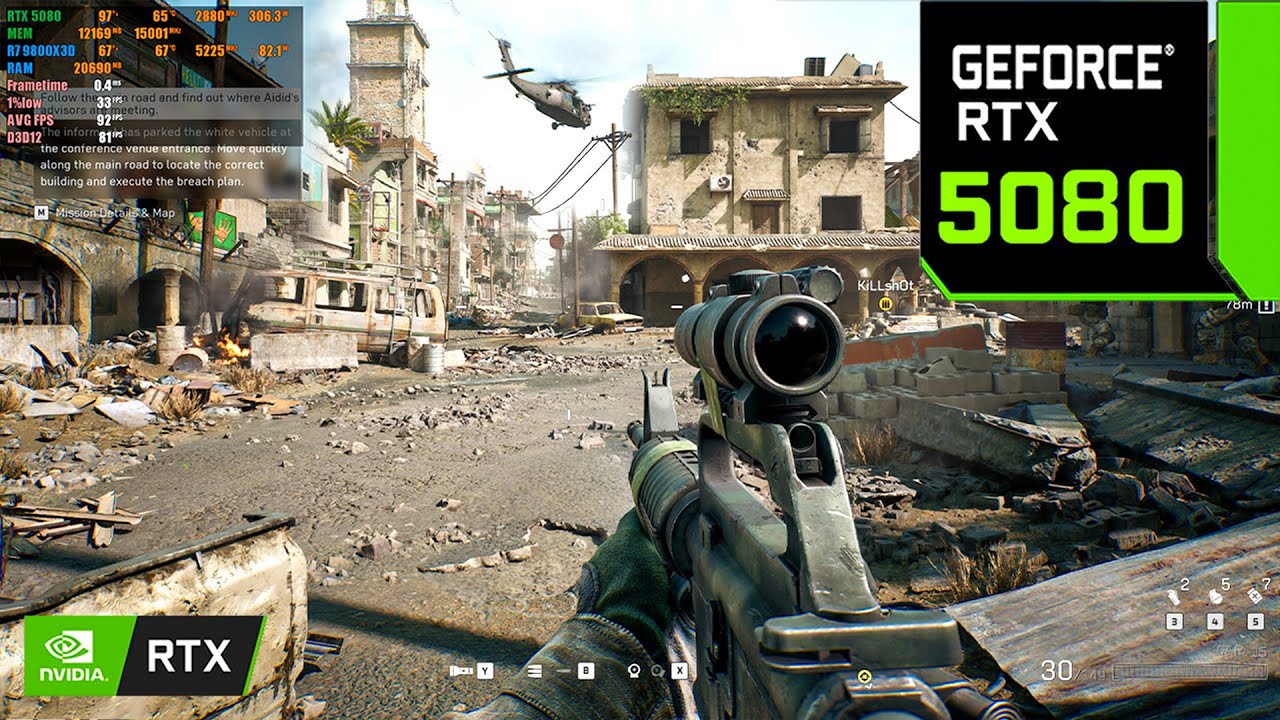
| Game | RTX 5070 Ti 1440p RT | RTX 5080 1440p RT | RTX 5070 Ti 4K RT | RTX 5080 4K RT |
|---|---|---|---|---|
| Cyberpunk 2077 | 66 FPS | 76 FPS | 33 FPS | 39 FPS |
| Alan Wake 2 | 60 FPS | 69 FPS | 41 FPS | 50 FPS |
| Black Myth: Wukong | 57 FPS | 66 FPS | 31 FPS | 37 FPS |
| Indiana Jones | 108 FPS | 125 FPS | 64 FPS | 77 FPS |
| Hogwarts Legacy | 102 FPS | 118 FPS | 52 FPS | 63 FPS |
With ray tracing enabled in 4K, the gap widens to 18–22%; here RTX 5080 makes better use of its larger number of RT cores. At the same time, frame-generation technologies are effective only with a stable base FPS above 40 frames; if raw performance drops too low, enabling Frame Generation will cause noticeable input latency.
Average FPS in popular games
| Resolution | RTX 5070 Ti | RTX 5080 | Difference |
|---|---|---|---|
| 1080p Ultra | 184 FPS | 203 FPS | +10% |
| 1440p Ultra | 148 FPS | 164 FPS | +11% |
| 4K Ultra | 86 FPS | 97 FPS | +13% |
Benchmarks
3D Mark
| Test | RTX 5070 Ti | RTX 5080 | Difference |
|---|---|---|---|
| Steel Nomad Lite | 29 989 | 36 200 | +21% |
| Time Spy | 27 384 | 32 045 | +17% |
| Port Royal | 19 045 | 22 034 | +16% |
| Fire Strike | 68 741 | 76 483 | +11% |
GeekBench 6 OpenCL
| Test | RTX 5070 Ti | RTX 5080 | Difference |
|---|---|---|---|
| GB6 Compute Score | 240 508 | 297 747 | +24% |
| Particle Physics | 35 438 FPS | 43 677 FPS | +23% |
Passmark Graphics
| Test | RTX 5070 Ti | RTX 5080 | Difference |
|---|---|---|---|
| G3D Mark | 32 425 | 35 695 | +10% |
| DirectX 12 | 126 FPS | 144 FPS | +14% |
Workstation tasks: rendering, editing, neural networks
Rendering and graphics work
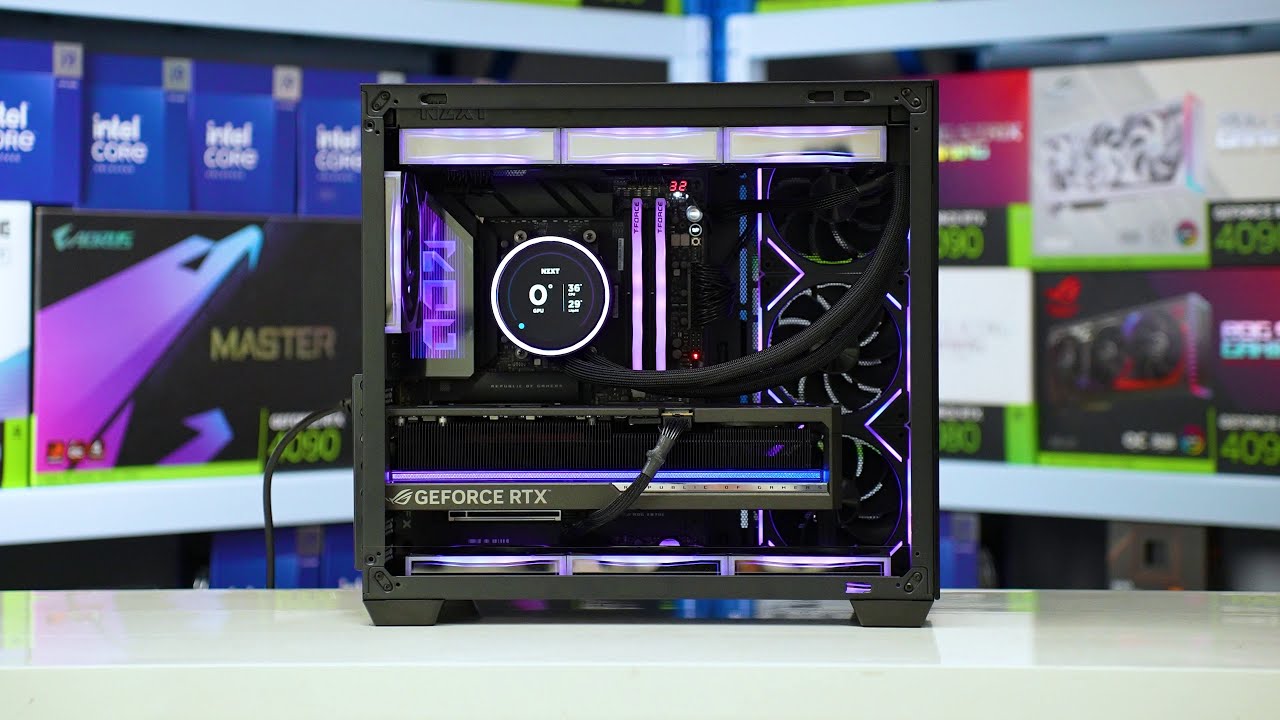
In Blender, the graphics card RTX 5080 is 20% faster (9,138 vs 7,585 points). In SPECworkstation Viewport Graphics, the gap is minimal at +4%. In Unreal Engine 5.5, RTX 5080 delivers 109 FPS versus 98 FPS for RTX 5070 Ti (+11%).
Video editing and video work
In basic editing (Premiere Pro, DaVinci Resolve), there is practically no difference. RTX 5080 only shows its advantage with heavy GPU effects — up to a 15–17% gain.
AI inference
RTX 5080 is 7–12% faster in Stable Diffusion, LLM, and SPECworkstation GPU Inference tasks. In VRAM capacity, the cards are equal — 16 GB, so RTX 5080 does not unlock a new class of tasks.
AI training and ML experiments
For memory-limited tasks, both cards are the same. RTX 5080 is faster where the workload is limited by chip compute. For large-scale tasks above 16 GB RTX 5090 will be required.
Power consumption and system requirements
| Mode | RTX 5070 Ti | RTX 5080 |
|---|---|---|
| TDP | 300 W | 360 W |
| Games | ~267–315 W | ~290–322 W |
| Ray Tracing | ~315 W | ~366 W |
| Recommended PSU | 750 W | 850 W |
RTX 5070 Ti is easier to cool and easier to fit into a compact case. For an RTX 5080 build with a powerful processor for 4K, it is better to plan for a 1000 W PSU. Both graphics cards use the 12V-2x6 connector from the ATX 3.1 standard. From an electrical-safety standpoint, it is extremely important to use a certified power supply with active overcurrent protection (OCP) and overvoltage protection (OVP), and to make sure the 12V-2x6 cable is fully seated until it clicks to avoid melted contacts under high load.
Price / performance
| Graphics card | Price | Price per 1 FPS in 1440p | Price per 1 FPS in 4K |
|---|---|---|---|
| RTX 5070 Ti | from 4,190 AED | ~28 AED | ~70 AED |
| RTX 5080 | from 5,590 AED | ~34 AED | ~82 AED |
In cost per frame, RTX 5070 Ti is more rational. RTX 5080 is bought for extra headroom in 4K, RT/PT, and workstation tasks. Ready-made balanced options are available on the HYPERPC website:
Based on RTX 5070 Ti:
- PLAY 1 ULTRA — gaming version for high FPS in 1440p
- LUMEN 5 — a balanced option for games in 1440p and entry into 4K
- LUMEN 7 — an enhanced option for 4K with ray tracing
Based on RTX 5080:
- LUMEN 6 — an optimal PC for stable 4K gaming
- LUMEN X RUST — the flagship for maximum performance
How to choose the right graphics card?
- 1440p gaming — RTX 5070 Ti: stable high FPS without unnecessary extra cost
- 4K gaming with ray tracing — RTX 5080: up to 20% gain in heavy RT scenes
- Rendering / Blender — RTX 5080: +20% scene-calculation speed
- Editing without heavy effects — RTX 5070 Ti: the difference versus RTX 5080 is minimal
- Quiet / compact build — RTX 5070 Ti: 300 W TDP and easier cooling
Which graphics cards are worth upgrading from
- RTX 3070 / 3070 Ti and below — the upgrade is as noticeable as possible: higher FPS , 16 GB VRAM, Multi Frame Generation
- RTX 3080 / RX 6800 XT — the switch is justified when moving to 4K or enabling RT
- RTX 4070 / 4070 Super — replacement can make sense for specific tasks; for a clear jump, choose RTX 5080
- RTX 4070 Ti Super — switching to RTX 5070 Ti is debatable; RTX 5080 will give a more noticeable difference
- RTX 4080 and above — upgrading is not worthwhile
Which processor to pair with it
| Build | Processor | For which tasks |
|---|---|---|
| Entry-level | Ryzen 5 9600X | 1440p / 4K, 200+ FPS |
| Optimal | Ryzen 7 9700X | 1440p / 4K, 220+ FPS |
| Top gaming | Ryzen 7 7800X3D | 1440p / 4K, 240+ FPS |
| For work | Ryzen 9 9950X | Workstation tasks + 240+ FPS |
HYPERPC computers based on RTX 5070 Ti and RTX 5080
Conclusion
RTX 5070 Ti versus RTX 5080 is a choice between rational value and performance headroom. Both graphics cards NVIDIA offer identical technologies and 16 GB of GDDR7. RTX 5080 is 10–20% faster and 33% more expensive: from 5,590 AED versus 4,190 AED for RTX 5070 Ti. For most 1440p gamers, RTX 5070 Ti is a more reasonable investment. RTX 5080 is justified for 4K with maximum ray tracing and professional GPU rendering.
Also worth reading
- RTX 5060 Ti vs RTX 4070: more power for less money — reality or myth
- RTX 5060 Ti vs RTX 4060 Ti: revolution or simple upgrade
- Not every processor is suitable for RTX 5090: the best no-compromise options
- Gaming PC for 4,660 AED in 2026: market analysis, performance tests, and the economic reasoning behind compromises
Frequently asked questions We prepared the answers.
-
Is RTX 5070 Ti enough for 4K?
Yes, with DLSS 4.5 enabled — comfortable FPS in most titles. For Path Tracing at maximum settings, RTX 5080 is better.
-
Is PCIe 5.0 required?
No. Both graphics cards work in PCIe 4.0 x16 without a noticeable loss of performance.
-
Is it worth choosing a factory-overclocked version?
Versions such as MSI Gaming Trio OC and similar cards provide better cooling and a slight frequency increase. For most users, cooler quality matters more.
-
Is RTX 5080 worth the extra cost?
In 1440p, no. In 4K with RT, rendering, and if you want headroom for 3–4 years, yes.

 Arabic
  English