We are ready to help you
GeForce RTX 5060 Ti vs GeForce RTX 3070 comparison
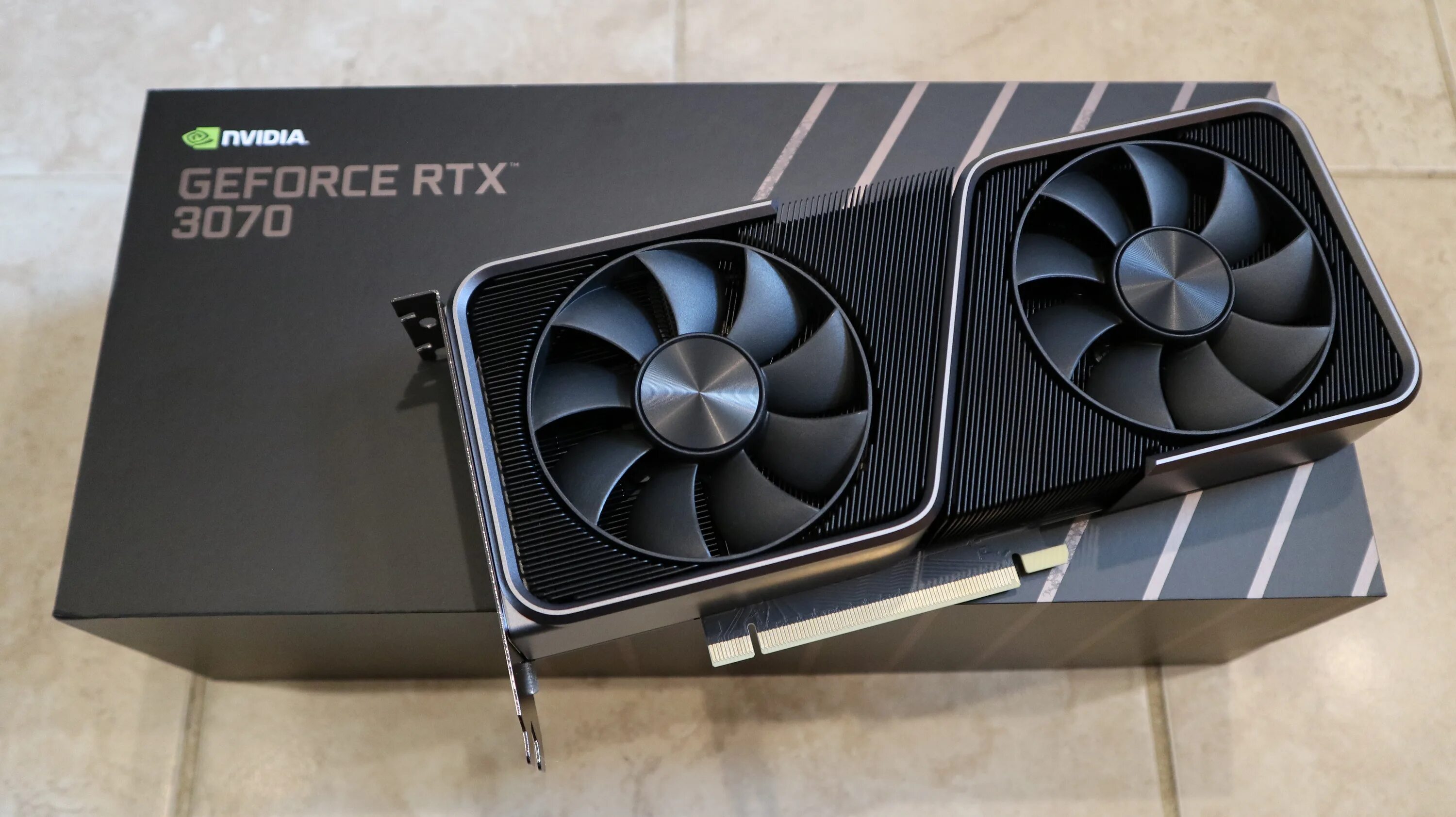
Five years separate these two graphics cards NVIDIA, but in 2026 they compete in the same segment. The new GeForce RTX 5060 Ti offers the Blackwell architecture, DLSS 4 with Multi Frame Generation and low power consumption. The older GeForce RTX 3070 counters with a wide memory bus and high raw power from the Ampere chip. This comparison will show which graphics card is faster and more cost-effective.
Graphics card overview
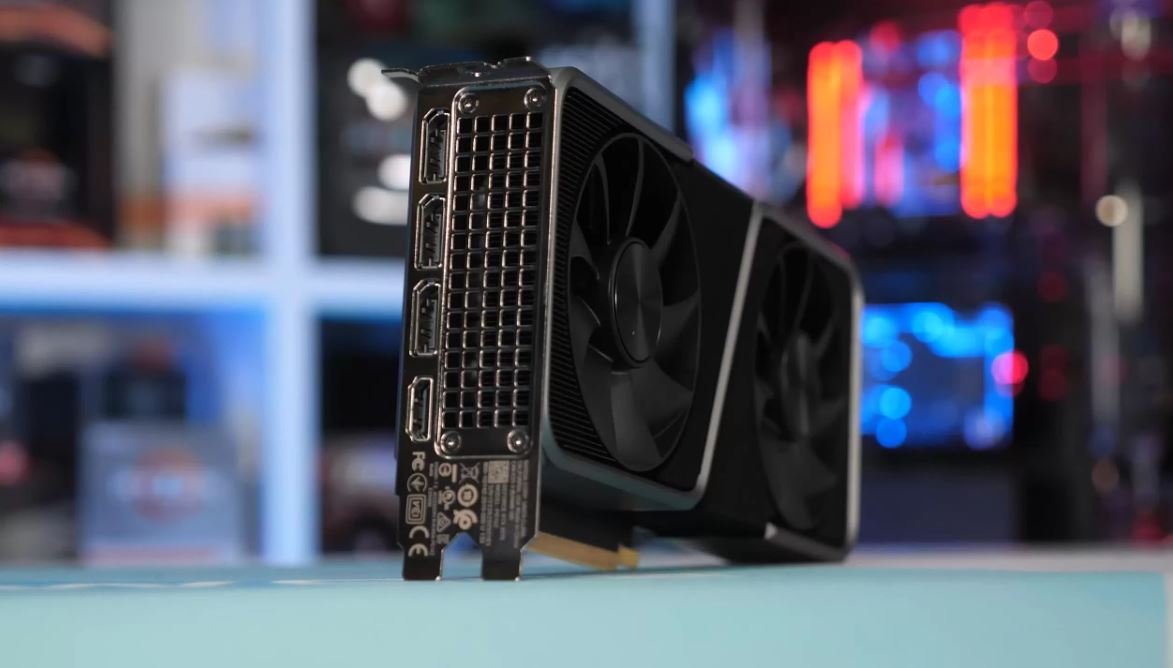
GeForce RTX 3070 was released in 2020 year on the Ampere architecture. The GA104 chip with 5888 cores CUDA cores and a 256-bit GDDR6 bus made it a class leader. In 2026 year because of the high demands of modern games this model has moved into the 1080p segment, but it still holds up well in rasterisation.
The new GeForce RTX 5060 Ti is built on Blackwell (GB206 chip, TSMC 5 nm process). The card received 4608 CUDAcores, a 128-bit bus, fast GDDR7, and an expanded 32 MB L2 cache. Its main advantage is DLSS 4 with Multi Frame Generation, which the older card lacks entirely.
Key differences
RTX 3070 relies on its number of units and bus width: 5888 cores and 256 bits provide stable FPS in native rasterisation. RTX 5060 Ti compensates for the narrow bus with GDDR7 memory and a huge L2 cache, keeping bandwidth at the competitor’s level — 448 GB/s. In games with support for DLSS 4 and Frame Generation the new RTX 5060 Ti outpaces the older opponent by a wide margin. RTX 5060 Ti runs on a cut-down PCIe 5.0 x8 bus, which on older motherboards with PCIe 3.0 can reduce performance by 4–5%.
Technical specifications
Graphics processor
| Parameter | RTX 5060 Ti | RTX 3070 |
|---|---|---|
| Architecture | Blackwell (GB206) | Ampere (GA104) |
| Process technology | TSMC 5 nm | Samsung 8 nm |
| CUDA cores | 4608 | 5888 |
| RT cores | 36 (4th gen.) | 46 (2nd gen.) |
| Tensor cores | 144 (5th gen.) | 184 (3rd gen.) |
| Base / Boost frequency | 2407 / 2572 MHz | 1500 / 1725 MHz |
| Interface | PCIe 5.0 x8 | PCIe 4.0 x16 |
| TDP | 180 W | 220 W |
VRAM capacity and type
| Parameter | RTX 5060 Ti | RTX 3070 |
|---|---|---|
| VRAM capacity | 8 / 16 GB | 8 GB |
| Memory type | GDDR7 | GDDR6 |
| Memory bus | 128-bit | 256-bit |
| Bandwidth | 448 GB/s | 448 GB/s |
| L2 cache | 32 MB | 4 MB |
The RTX 5060 Ti version with 16 GB is a fundamentally better option for 1440p. RTX 3070 was released only with 8 GB, which in 2026 year places a serious bottleneck on performance because video memory is constantly insufficient for heavy textures.
Performance
In raw FP32 power, the older GA104 chip delivers around 20.3 TFLOPS, while RTX 5060 Ti shows 23.7 TFLOPS. In Tensor calculations, the new card is several times ahead: up to 759 TOPS versus only 167 TOPS for the older architecture — this directly affects the quality of DLSS 4.
API and technologies
| Parameter | RTX 5060 Ti | RTX 3070 |
|---|---|---|
| Shader Model | 6.9 | 6.8 |
| CUDA | 12.8 | 12.0 |
| DLSS | 4.0 (Multi Frame Gen) | 2.0 (upscaling only) |
| FSR | 4.0 | 3.0 |
| NVENC | 9th gen. (AV1) | 7th gen. |
Gaming performance
Expected FPS in popular games
At 1080p in native rasterisation, GeForce RTX 5060 Ti is faster than RTX 3070 by average 11–13% on average thanks to high clocks and Blackwell architecture optimisation. At 1440p, the new card also keeps the lead, outperforming its opponent by average 12–20% on average depending on VRAM capacity.
Tests in 1080p and 1440p
| Game (1080p, High, Native) | RTX 5060 Ti 16 GB | RTX 3070 8 GB |
|---|---|---|
| Cyberpunk 2077 | 105 FPS | 93 FPS |
| Baldur's Gate 3 | 120 FPS | 105 FPS |
| Black Myth: Wukong | 75 FPS | 65 FPS |
| Counter-Strike 2 | 390 FPS | 330 FPS |
| Starfield | 68 FPS | 58 FPS |
At 1440p with maximum texture quality, the 8GB version of RTX 3070 regularly runs into a VRAM shortage, causing stutters when data is offloaded to system RAM. RTX 5060 Ti 16 GB shows fully stable frame times under the same conditions.
Benchmarks
Synthetic tests
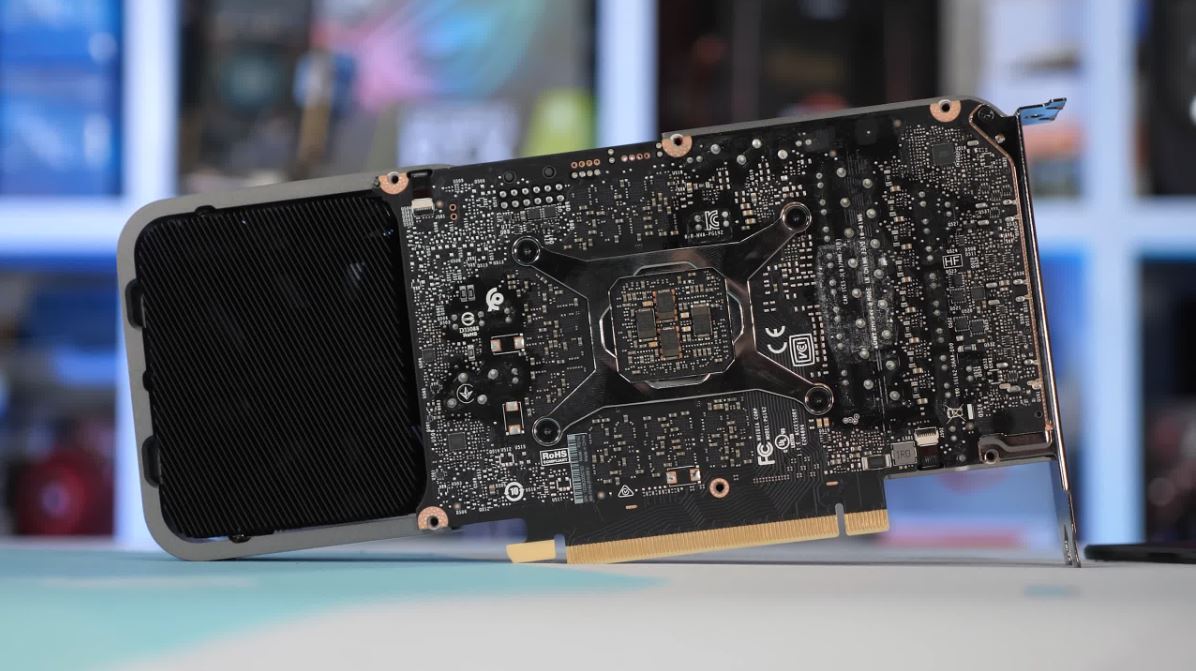
In 3DMark Fire Strike, the new RTX 5060 Ti 16 GB scores around 40,925 points, while RTX 3070 scores around 30,000. In the ray-traced Port Royal test, the new card also confidently dominates: 9,944 points versus roughly 7,000 for the older accelerator.
User tests
According to player feedback, in modern games RTX 5060 Ti 16 GB turns out to be significantly more stable. With DLSS 4 and Multi Frame Generation (for example, in Cyberpunk 2077 or Alan Wake 2), it easily delivers 120–150 FPS, while the older card without frame-generation support has to settle for 50–70 FPS. If the base performance of the chip drops below 40 frames, enabling Frame Generation can cause noticeable input latency.
Price-to-performance ratio
The recommended price (MSRP) for RTX 5060 Ti 8 GB is $379, while the 16 GB version is $429. In Russian retail, the new RTX 5060 Ti 16 GB starts at 2,330 AED, while remaining new RTX 3070 units are sold at inflated prices from 1,860 AED. On the used market, a second-hand RTX 3070 can be found from 700–840 AED. However, most used devices were used for mining, which leads to degradation of GDDR6 memory chips and wear on the power-delivery circuits. For a new reliable build with a factory warranty, buying RTX 5060 Ti 16 GB looks like an incomparably smarter investment.
Pros and cons
GeForce RTX 5060 Ti advantages
- Support for DLSS 4 with Multi Frame Generation — multiple increase in FPS in supported games
- 16 GB GDDR7 version with strong protection against VRAM shortages in 1440p
- Energy-efficient chip with 180 W TDP — a 550 W PSU is enough
- 9th-generation NVENC hardware encoder with AV1 support
GeForce RTX 3070 advantages
- Low cost on the used market (taking the risks of second-hand devices into account)
- Full PCIe 4.0 x16 interface (the newer card uses an x8 bus)
Power consumption and heat output
The graphics card RTX 5060 Ti draws a maximum of 180 W versus 220 W for RTX 3070, showing excellent energy efficiency. For stable operation of a system with the new Blackwell card, a reliable 550 W power supply with a basic 8-pin connector is enough. The older RTX 3070 requires a quality PSU of 650 W or more. It is strongly recommended to avoid cheap power supplies without overcurrent protection (OCP) and short-circuit protection (OVP); this protects expensive components from the risk of burned-out power phases.
Final comparison by criteria
| Criterion | RTX 5060 Ti 16 GB | RTX 3070 8 GB | Winner |
|---|---|---|---|
| Rasterisation | Higher (~12% on average) | Lower | RTX 5060 Ti |
| DLSS and Frame Gen | DLSS 4 + Multi Frame Gen | Only DLSS 2 upscaling | RTX 5060 Ti |
| Ray tracing | High (4th-gen RT) | Medium (2nd-gen RT) | RTX 5060 Ti |
| TDP | 180 W | 220 W | RTX 5060 Ti |
| VRAM reserve | 16 GB GDDR7 | 8 GB GDDR6 | RTX 5060 Ti |
| Long-term outlook | Maximum (warranty, technologies) | Low (5+ years since release) | RTX 5060 Ti |
Which graphics card to choose
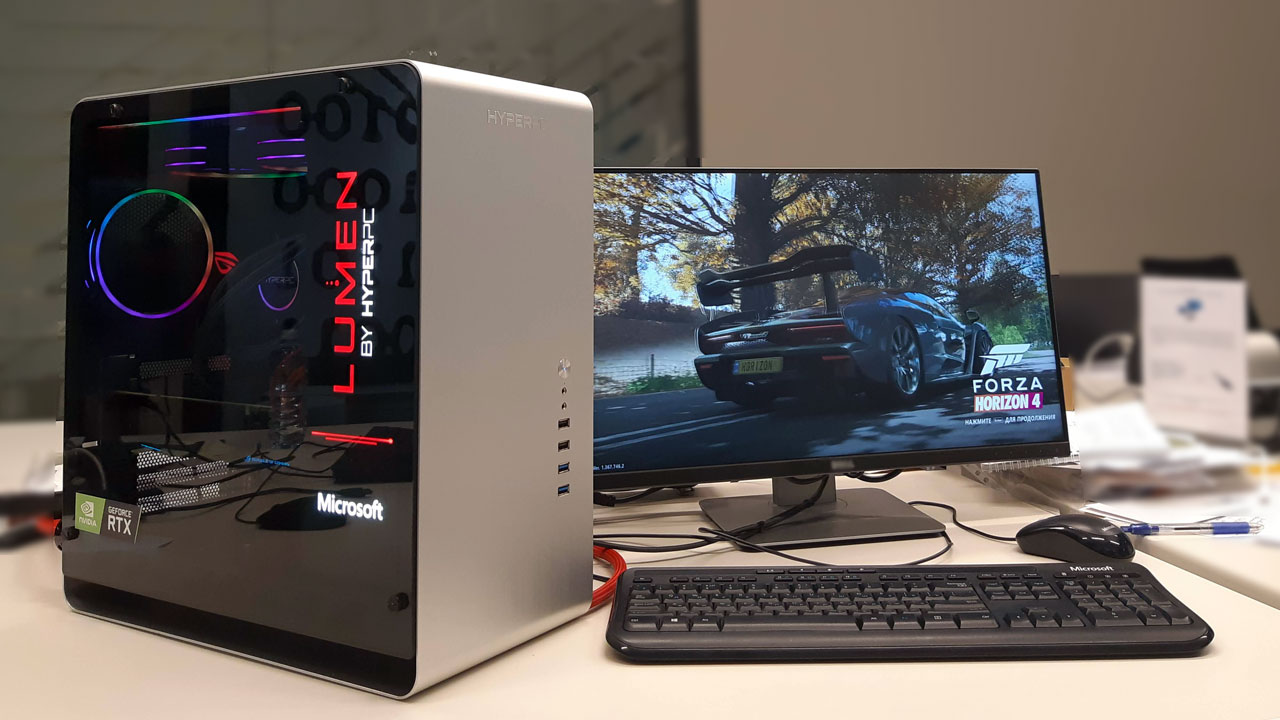
For any new PC in 2026 year the clear favourite is RTX 5060 Ti 16 GB. It offers modern reliability standards, a warranty, and a huge technological reserve. Choosing a powerful PC on your own without proper experience carries serious risks of damaging expensive silicon with static electricity or overheating.
On the HYPERPC website, you can choose ready-made gaming solutions with modern Blackwell-generation cards:
Conclusion
RTX 5060 Ti vs RTX 3070 is a classic confrontation between an older raw-power foundation and the latest AI technologies of the Blackwell generation. In 2026 year buying a new RTX 3070 makes little practical sense. The new GeForce RTX 5060 Ti 16 GB surpasses the older competitor in all key parameters: from pure performance and memory capacity to energy efficiency and support for promising neural-network algorithms.
Frequently asked questions We prepared the answers.
-
Which card is faster in games?
The new RTX 5060 Ti 16 GB is faster than the older RTX 3070 by average 11–13% on average in native modes, and when Frame Generation is enabled, its advantage reaches roughly 1.5×.
-
Is it worth replacing RTX 3070 with RTX 5060 Ti?
Yes. This upgrade is fully justified for doubling memory capacity (from 8 to 16 GB), support for DLSS 4, and AV1 encoding for streams.
-
Does the cut-down PCIe x8 bus affect performance?
Practically no. On modern platforms with PCIe 4.0/5.0, the difference does not exceed 1–2%; however, on older motherboards with PCIe 3.0, the drop in FPS can reach 4–5%.

 Arabic
  English