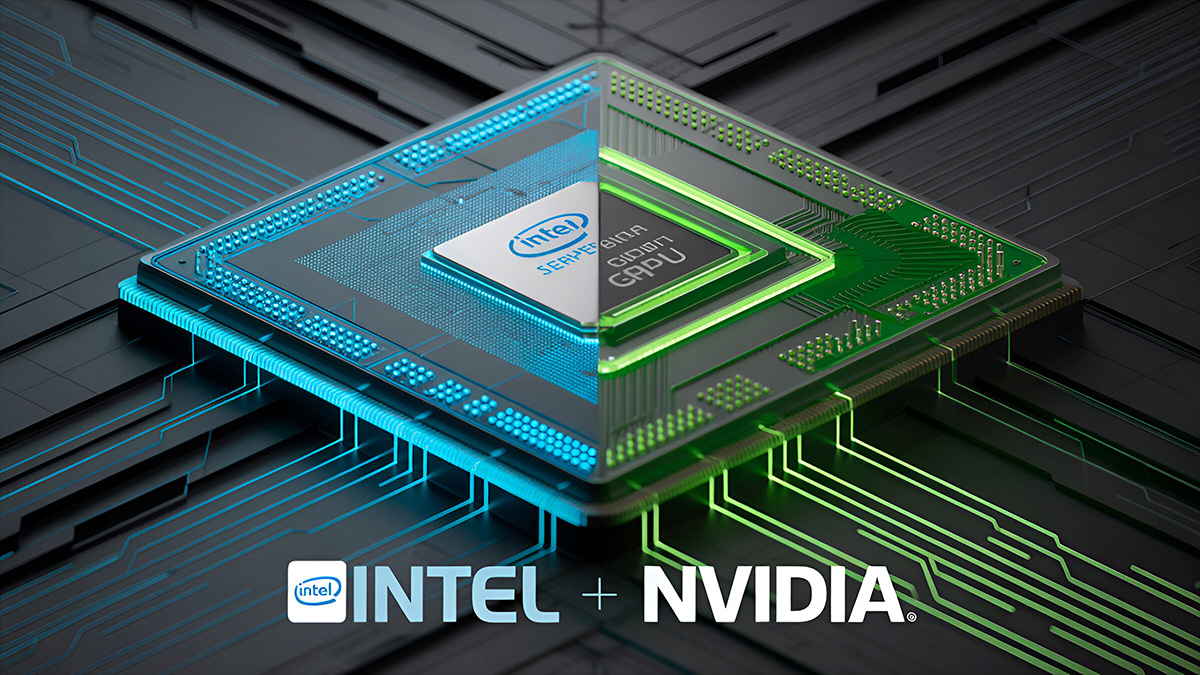
Major leaks suggest a historic collaboration between Intel and NVIDIA is underway. According to tech insiders, the companies are developing a high-performance hybrid chip aimed directly at challenging AMD's dominance in the APU market. The project is codenamed Serpent Lake.
Defining the Beast
Serpent Lake is rumored to be a massive leap forward in integrated graphics performance. The leak from RedGamingTech indicates the chip will combine:
- CPU: Intel’s upcoming Titan Lake architecture.
- GPU: Next-gen NVIDIA Rubin graphics cores.
- Memory: On-package LPDDR6 for high bandwidth.
This move marks a shift in strategy for Intel, opting to utilize NVIDIA’s market-leading graphics architecture inside their CPU package instead of relying solely on their internal Intel Arc graphics.
Targeting AMD Strix Halo The primary goal of Serpent Lake appears to be neutralizing AMD’s upcoming Strix Halo APUs. While AMD uses its own CPU and GPU tech, Intel is partnering with the discrete graphics leader to create a "best of both worlds" product.
The Roadmap Ahead The leak also reshuffles Intel’s rumored roadmap. The previously discussed "Hammer Lake" project seems to have been pushed to 2029, making Serpent Lake the potential flagship for the 2027–2028 window. This suggests Intel is aggressively prioritizing performance to reclaim leadership in the mobile and compact PC segments.
Conclusion from HYPERPC:
«This collaboration could redefine the definition of "integrated graphics." At HYPERPC, we specialize in premium performance, and Serpent Lake represents a future where Small Form Factor (SFF) builds make no compromises. If verified, this chip will allow us to engineer incredibly compact workstations and gaming rigs without the thermal constraints of traditional massive GPUs.»
Verified Sources
- RedGamingTech (Original Source of Leak): Discusses the roadmap and the specific combination of Titan Lake + Nvidia GPU.
- NotebookCheck / Wccftech: These major tech portals have covered the "Serpent Lake" rumors, citing the shift from Hammer Lake and the potential use of Nvidia IP in Intel chips.

 Arabic
  English